Zones in the Kids’ Room: Play, Learning, and Relaxation in One Harmonious Space


Zones in the Kids’ Room: Play, Learning, and Relaxation in One Harmonious Space
A child’s room has to do it all — it’s a place for play, creativity, learning, and rest. When one space needs to serve so many purposes, it can easily become cluttered or chaotic. The key to balance is thoughtful zoning. By dividing the room into distinct areas for different activities, you can create a space that supports your child’s development while keeping things organized and inviting.
Why Zones Make a Difference
Children thrive in environments where they can easily understand what belongs where. Clear zones help them focus when it’s time to study, unleash their imagination during play, and wind down at bedtime. Zoning also makes it easier to keep the room tidy — for both kids and parents.
A simple approach is to think in three main areas: play, learning, and relaxation. Each zone should have its own atmosphere and purpose, yet still feel cohesive as part of one harmonious space.
The Play Zone – Room for Imagination and Movement
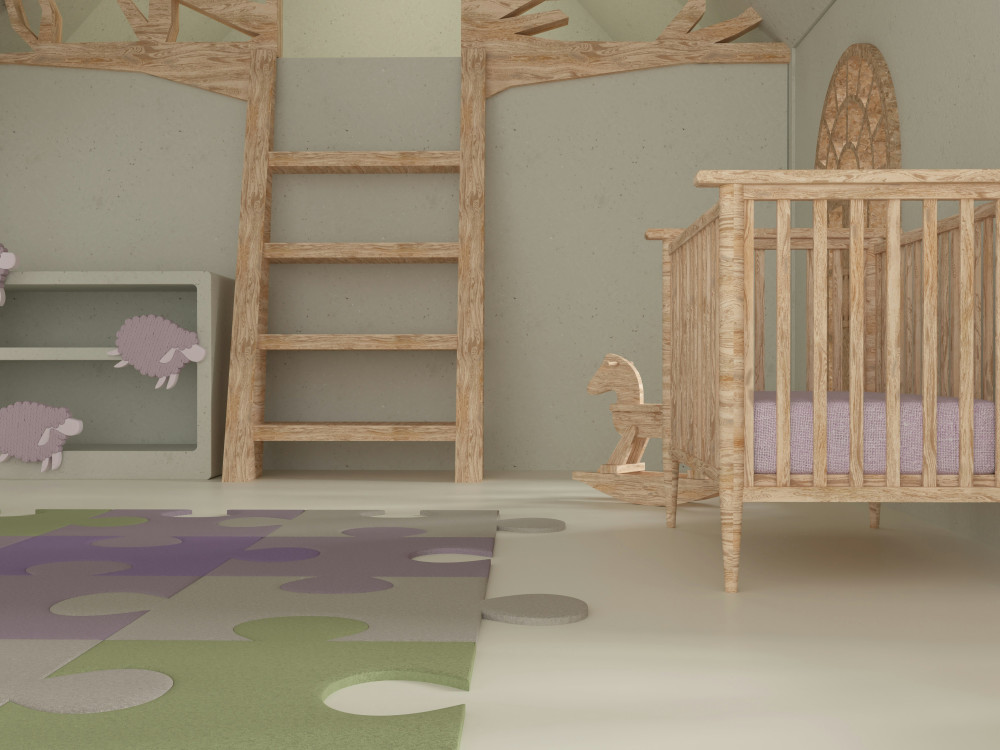
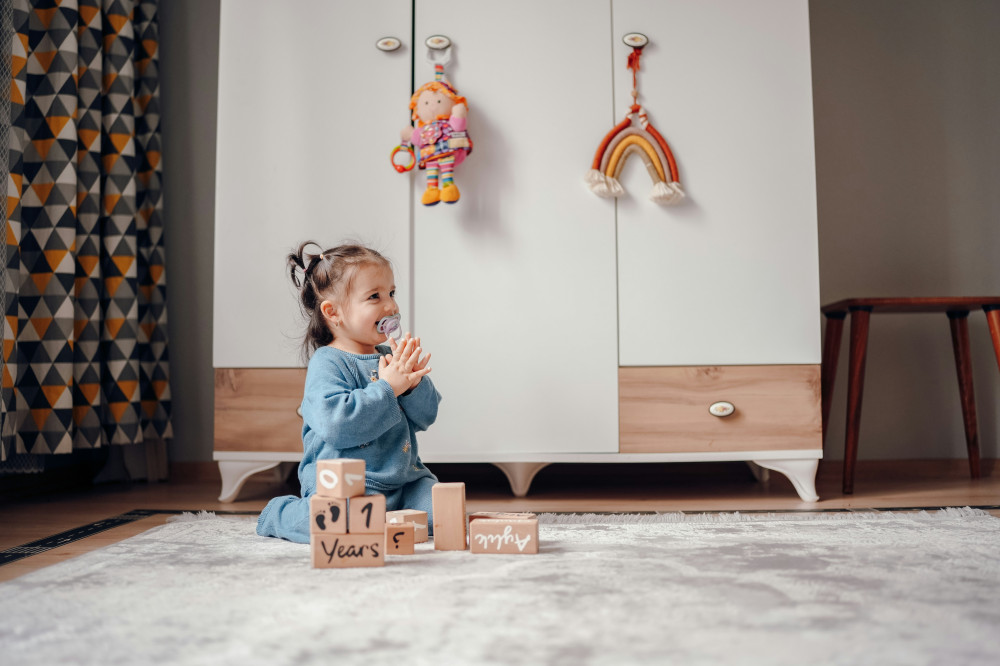
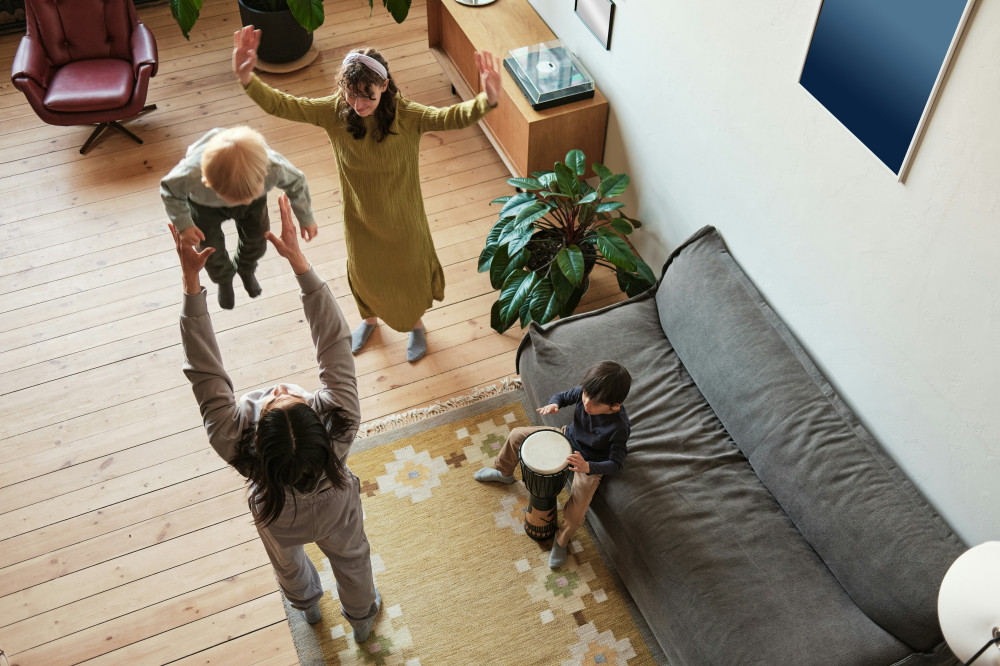
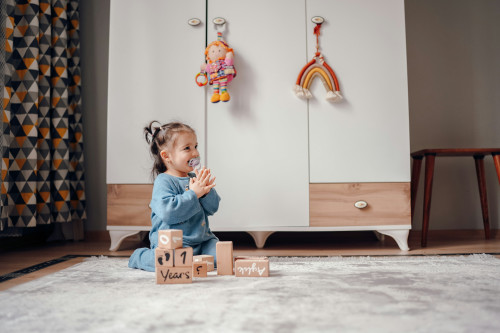
The play zone is often the heart of a child’s room. It’s where creativity and energy come alive — building forts, dressing up, drawing, or playing with toys. Flexibility is key: a soft rug for floor play, rolling bins for toys, and open shelves that kids can reach themselves.
- Keep the floor open – kids love to play on the floor, so avoid bulky furniture.
- Use kid-height storage – it encourages independence and makes cleanup easier.
- Incorporate color and texture – a bright rug, wall decals, or a chalkboard wall can spark creativity.
If space is limited, look for multifunctional furniture — a bed with drawers underneath or a foldable table that can double as a craft station.
The Learning Zone – Focus and Creativity in Balance
As children reach school age, a dedicated learning area becomes essential. It doesn’t have to be large, but it should be a calm, well-lit spot where they can concentrate. A sturdy desk, an adjustable chair, and good lighting are the basics.
- Place the desk near a window for natural light, but avoid glare on screens.
- Keep the surface clear – too many distractions can make it hard to focus.
- Add shelves or bulletin boards to organize books, art, and school projects.
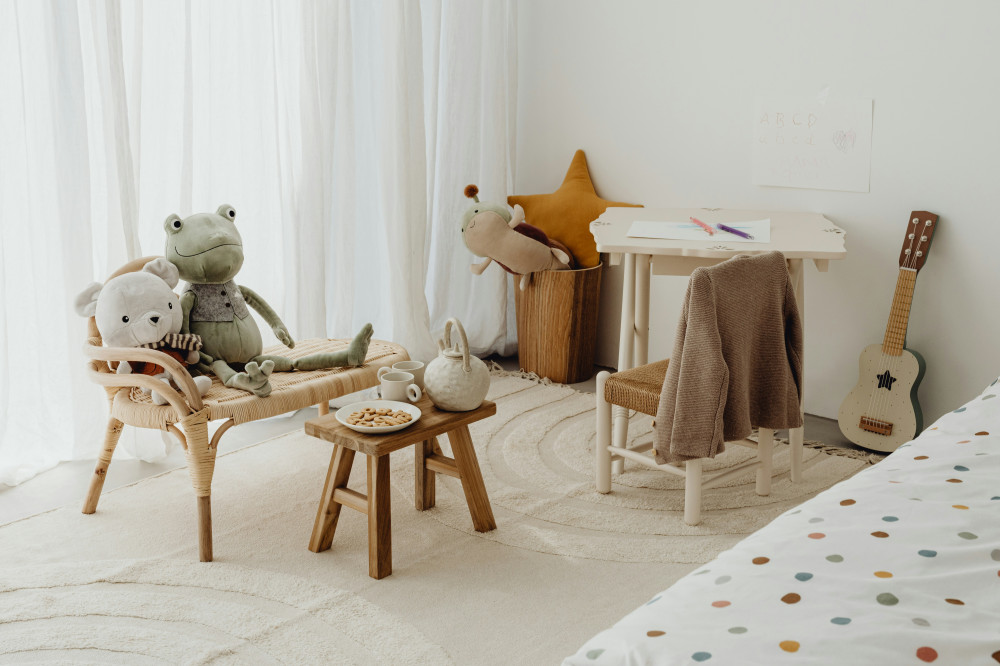
For younger kids, the learning zone might be more of a creative corner — a place for coloring, building, or crafting. The goal is to create a space that encourages curiosity and concentration.
The Relaxation Zone – Calm, Comfort, and Rest
Every child needs a place to unwind. The bed is the centerpiece, but the surrounding environment plays a big role in how easily a child relaxes and falls asleep.
- Choose soothing colors – soft blues, greens, and neutrals promote calm.
- Create a cozy nook with a canopy, curtains, or a small tent.
- Use adjustable lighting – soft lamps or dimmable lights help set a peaceful mood.
A reading corner with pillows and a small lamp can also be part of this zone — a quiet spot for bedtime stories or daydreaming.
Bringing the Zones Together
Even though each zone serves a different purpose, the room should still feel unified. Use a consistent color palette, repeat materials, and choose furniture that complements each other in style and scale.
Think about how your child moves through the space. It should be easy to transition from play to study — and from activity to rest. Avoid placing the desk right next to the bed if it makes it harder to switch off at night.
Læs også:


Involve Your Child in the Design
A child’s room works best when they feel ownership of it. Ask what matters most to them — space for LEGO, dolls, music, or sports gear? Let them help choose colors, artwork, or storage bins. When kids have a say, they’re more likely to take pride in their space and keep it organized.
Even toddlers can help decide where toys go or pick the color of their storage boxes. These small choices make the room more personal and meaningful.
A Room That Grows with Your Child
Children’s needs change quickly, so flexibility is key. A play corner can later become a study area, and low shelves can be replaced with taller ones as they grow.
By planning zones from the start, you create a room that evolves with your child — without needing a full redesign every few years. The goal is a space where play, learning, and relaxation coexist in harmony, supporting your child’s growth and imagination every step of the way.
Læs også: