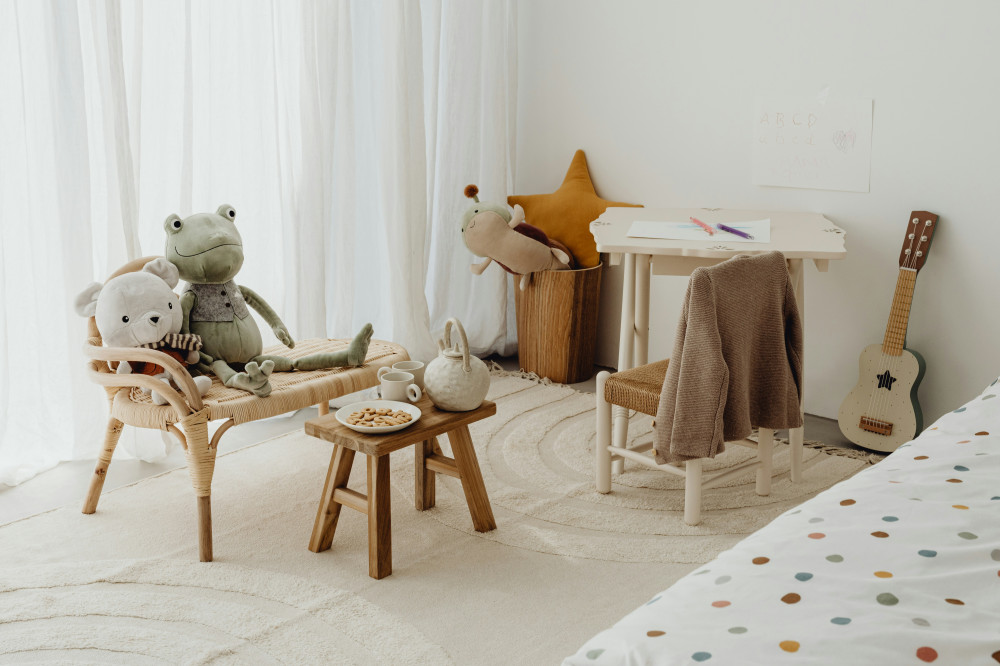
The most essential furniture for your child’s room – and what you can easily do without

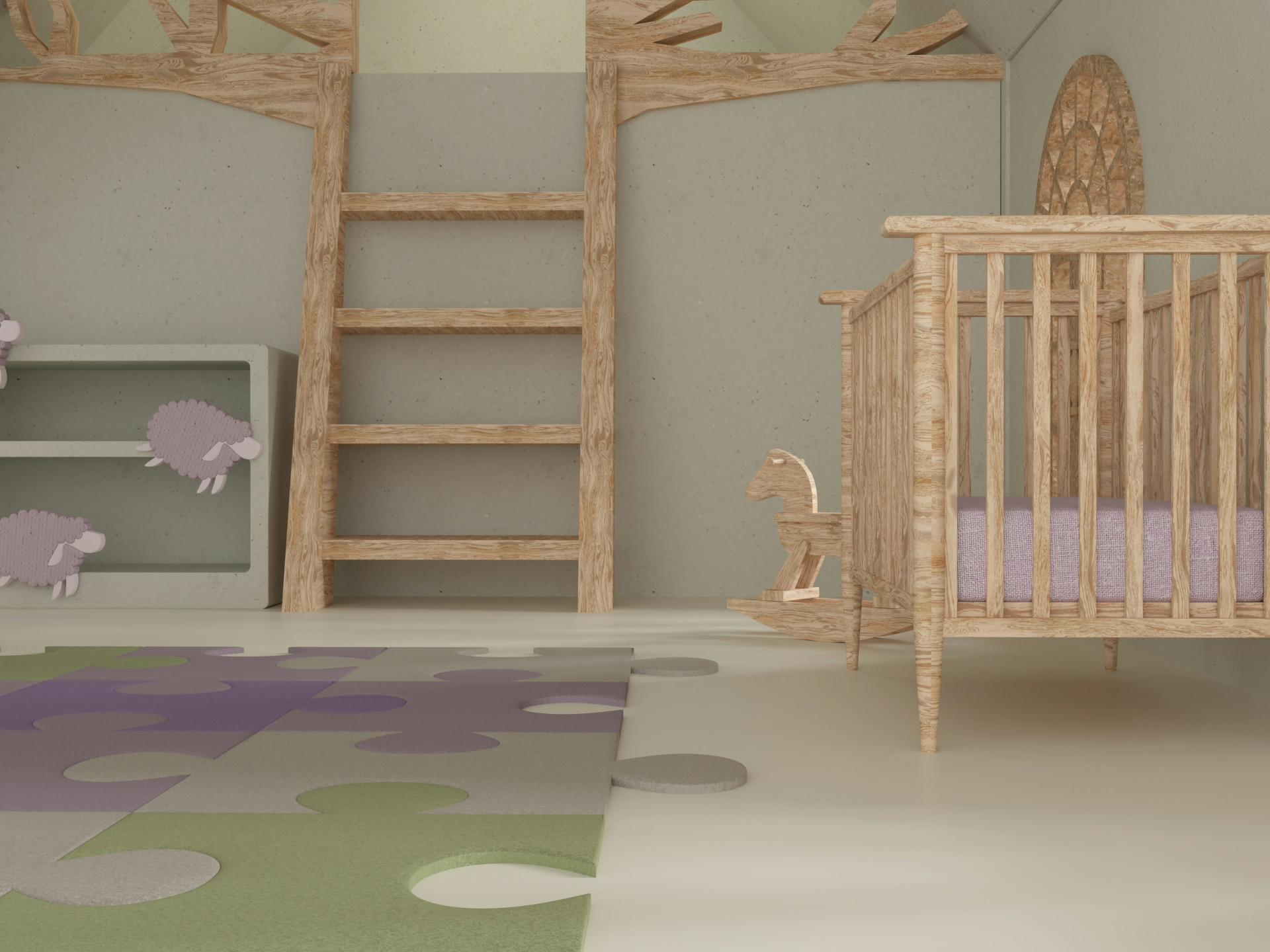
The most essential furniture for your child’s room – and what you can easily do without
When you’re setting up a child’s room, it’s tempting to fill it with adorable furniture, bright colors, and clever gadgets. But in reality, kids need far fewer things than most parents think. A great children’s room isn’t about how much you can fit in—it’s about creating a safe, functional, and flexible space that grows with your child. Here’s a guide to the furniture that truly matters—and what you can skip without regret.
The bed – the heart of the room
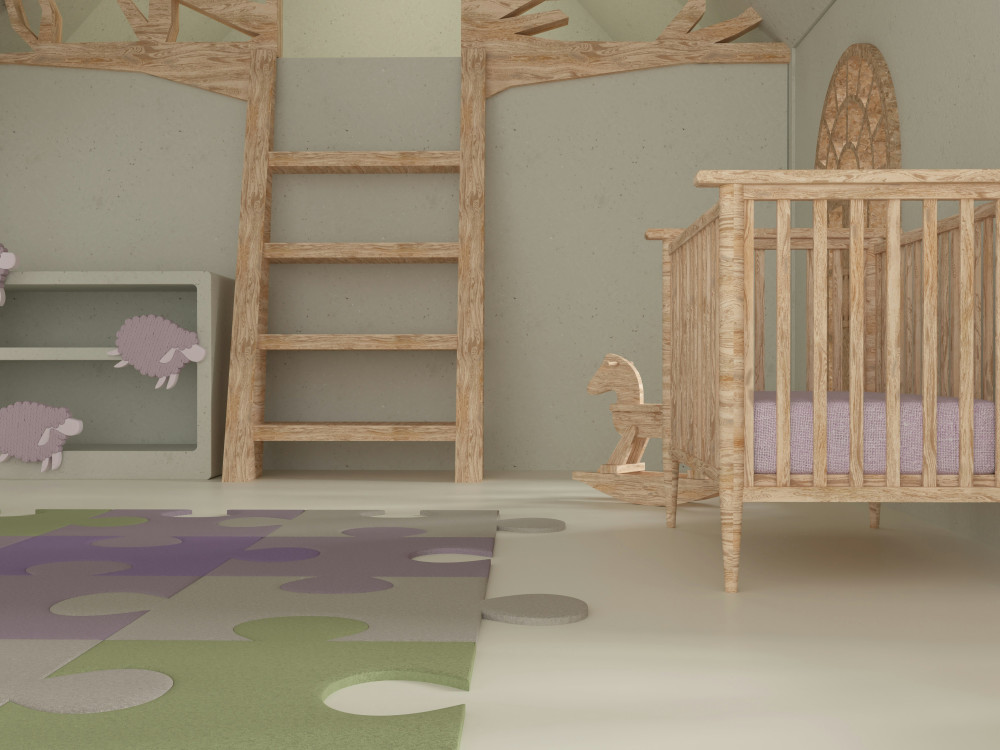
The bed is the single most important piece of furniture in any child’s room. It should feel safe, comfortable, and be appropriate for your child’s age. For infants, a sturdy crib with adjustable mattress heights is ideal. As your child grows, a toddler or twin bed gives them more independence.
If space is tight, consider a bed with built-in drawers or under-bed storage for toys, bedding, or clothes. For school-age kids, a loft or bunk bed can free up valuable floor space for a desk or play area underneath.
Storage – the key to everyday calm
Without good storage, even the cutest room can quickly turn into chaos. Dressers, shelves, and bins make it easier for both kids and parents to keep things organized.
- Low storage within a child’s reach encourages independence and helps them learn to tidy up.
- Labeled or color-coded bins make it simple for younger children to know where things belong.
- Open shelving works well for books and display items, but don’t overdo it—too many shelves can make the room feel cluttered.
Look for flexible storage that can adapt as your child grows. Adjustable shelving or modular systems can serve your family for years.
A desk and chair – for when school begins
A desk isn’t necessary for toddlers, but once your child starts school, it becomes an important addition. It’s a place for drawing, reading, and doing homework.
Choose a desk that’s simple, sturdy, and ideally adjustable in height. A comfortable chair with good back support is essential, but it doesn’t have to be an expensive office model. The main thing is that your child can sit comfortably with feet touching the floor and arms resting naturally on the desk.
Room to play – floor space over furniture
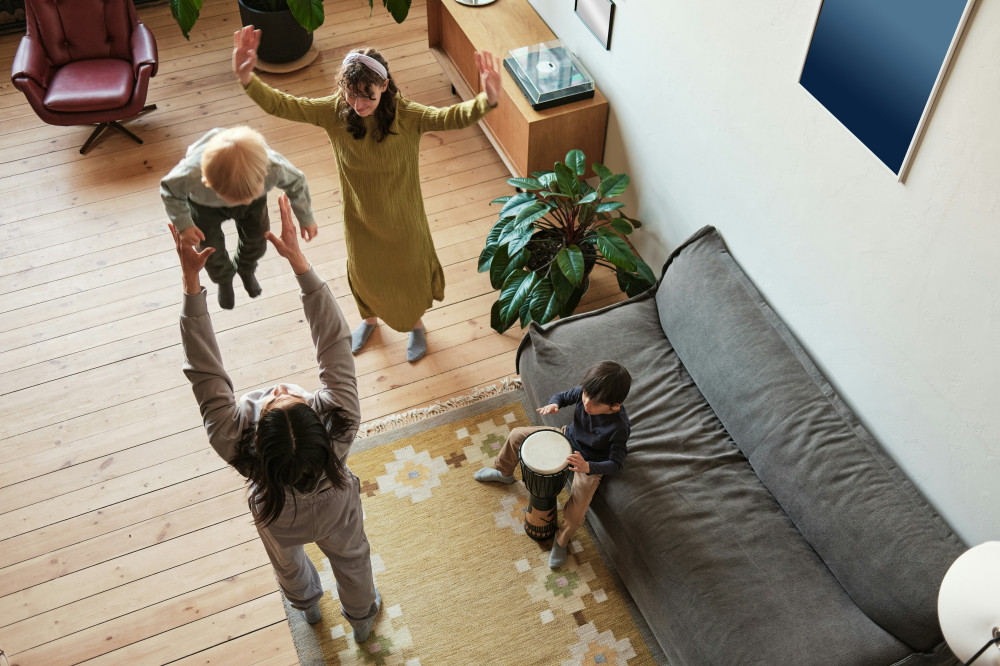
Children play best when they have room to move. Keeping the floor as open as possible encourages creativity and active play. A soft rug or play mat can define a cozy play zone and make the room more inviting.
Avoid filling the space with oversized furniture like armchairs or extra tables. They take up valuable play space and are rarely used by the child.
Lighting – comfort and function
Lighting is often overlooked, but it makes a big difference in how a room feels. Aim for three types of light:
- Overhead lighting for general brightness.
- Task lighting near the bed or desk for reading and homework.
- A nightlight for comfort and reassurance at bedtime.
Choose sturdy, easy-to-use lamps and avoid harsh, cold light. Warm, soft lighting creates a sense of calm and security.
Furniture you can skip
Many pieces look great in catalogs but end up collecting dust. Here are a few you can easily do without:
- Toy chests – they quickly become a jumble of forgotten toys. Open bins or cubbies make it easier to see and access what’s inside.
- Large wardrobes – most kids don’t have enough clothes to fill them. A dresser or small closet is usually plenty.
- Rocking chairs or small sofas – cozy, yes, but they take up a lot of space. A beanbag or large floor cushion can offer the same comfort with more flexibility.
- Themed furniture – beds shaped like cars or castles are fun for a short time but quickly outgrown. Stick with neutral furniture and bring personality through bedding, wall art, and accessories.
Læs også:


Think long-term – and involve your child
A child’s room should evolve as they do. Choose furniture that can be adjusted, repurposed, or rearranged over time. A changing table can become a dresser, a bookshelf can turn into a nightstand, and a twin bed can last well into the teen years.
Let your child have a say in the design, even in small ways. When they help choose colors, bedding, or where their toys go, they feel more ownership of the space—and are more likely to keep it tidy.
A room made for living
The perfect child’s room isn’t the one with the most furniture or the trendiest décor. It’s a space where your child can sleep, play, dream, and grow. With a few well-chosen pieces and thoughtful planning, you can create a room that works beautifully today and adapts easily for the years ahead—without being overwhelmed by unnecessary stuff.
Læs også: