Creative Corners in the Kids’ Room: Small Spaces for Big Ideas


Creative Corners in the Kids’ Room: Small Spaces for Big Ideas
A child’s room is more than just a place to sleep—it’s a world where imagination, play, and learning come together. Even the smallest spaces can spark big ideas when designed with creativity and care. With a few thoughtful touches, you can create corners that inspire focus, fun, and self-expression. Here’s how to design creative spaces that grow with your child and make every square foot count.
Create Purposeful Zones
A well-designed kids’ room balances energy and calm. Dividing the space into zones helps children understand that different areas serve different purposes.
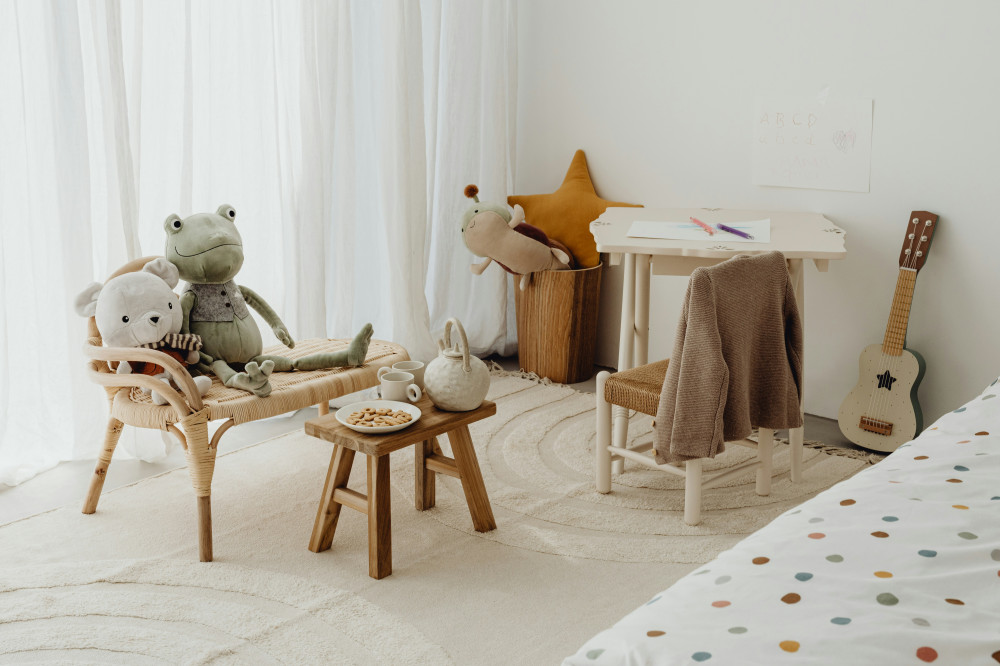
- A creative corner for drawing, painting, or building. A small table, a couple of sturdy chairs, and organized art supplies are all you need to set imagination free.
- A reading nook with soft pillows, a cozy lamp, and a low bookshelf can become a peaceful retreat for quiet moments.
- A play zone with open floor space for blocks, trains, or dolls encourages active, imaginative play.
Even in tight quarters, you can define these zones with rugs, color accents, or lighting so your child intuitively knows where each activity belongs.
Make the Walls Work for You
When floor space is limited, think vertically. Walls can become active, creative surfaces. A magnetic board, corkboard, or chalkboard wall invites kids to draw, display artwork, and share ideas.
Install shelves at child height so they can easily reach and put away their materials. Hanging baskets or wall pockets for crayons, brushes, and paper keep supplies visible and accessible—making it easy for kids to dive into projects whenever inspiration strikes.
Design for Flexibility
Kids grow fast, and their interests change just as quickly. Choose furniture and storage that can adapt over time. A height-adjustable desk, modular shelving, or rolling storage bins can evolve with your child’s needs.
Look for multifunctional pieces: a bench with storage underneath, a bed with drawers, or a fold-down table that disappears when it’s time to play on the floor. These smart solutions maximize space without sacrificing comfort or creativity.
Color, Light, and Atmosphere
Color sets the tone of a room. Soft, light shades create calm, while pops of bright color add energy and personality. Let your child help choose colors or wall art—it gives them a sense of ownership and makes the space feel truly theirs.
Lighting matters, too. Combine overhead lighting with task lights at the desk and a warm reading lamp in the nook. Layered lighting makes the room both functional and inviting, day or night.
Celebrate Your Child’s Creations
A creative corner isn’t just about supplies—it’s about expression. Display your child’s drawings, crafts, and projects proudly. Rotate them regularly to keep the space fresh and to show that their efforts are valued.
You can also create a “gallery shelf” where your child decides what to showcase. This not only personalizes the room but also builds confidence and pride in their work.
Læs også:


Keep Order in the Creative Chaos
Creativity often comes with a bit of mess, but smart organization can keep it under control. Use clear bins so kids can see what’s inside, and label them with pictures or colors to make cleanup easy and fun.
Establish simple routines—like tidying up before dinner—to teach responsibility and make it easier to find materials next time inspiration hits.
A Room That Grows with Your Child
A child’s room is never truly finished—it evolves as they do. The goal is to create a space where your child feels safe, inspired, and free to explore their imagination.
A creative corner doesn’t need to be big; it just needs to invite curiosity and play. When children have room to create, their confidence and creativity grow right along with them.
Læs også: