When Emotions Get Overwhelming: How to Help Your Child Find Calm

When Emotions Get Overwhelming: How to Help Your Child Find Calm
Every child has moments when emotions run high. It might be anger, frustration, sadness, or simply exhaustion after a long day. As a parent, it can be hard to know what to do—especially when your child is yelling, crying, or shutting down. But with understanding, patience, and a few simple tools, you can help your child find calm and learn to manage big feelings.
When Feelings Take Over
Children often react strongly because their brains are still developing the ability to regulate emotions. Even small disappointments—a broken toy, a “no” to more screen time, or a disagreement with a friend—can feel overwhelming. To your child, it’s like being caught in a storm, and they need you to be the steady presence that helps them find their way out.
It’s important to remember that your child isn’t acting out to be difficult. They’re reacting because they don’t yet have the skills to handle what they’re feeling. When you respond with calm and empathy, you show your child that emotions are okay—and that they can be managed safely.
Start with Your Own Calm
When your child loses control, it’s easy to feel your own frustration rise. You might want to raise your voice or argue. But the first step in helping your child is to stay calm yourself. Take a deep breath, speak slowly, and avoid trying to reason in the middle of a meltdown.
Children mirror the adults around them. When you model calmness, you teach your child that it’s possible to regain control. This doesn’t mean you have to accept all behavior—it means you handle the situation with steady, respectful authority.
Help Your Child Name Their Feelings
Once the storm has passed, help your child make sense of what happened. You might ask, “Were you upset because you had to stop playing?” or “Did it make you sad when I said no?” Naming emotions helps children recognize and express them in healthier ways.
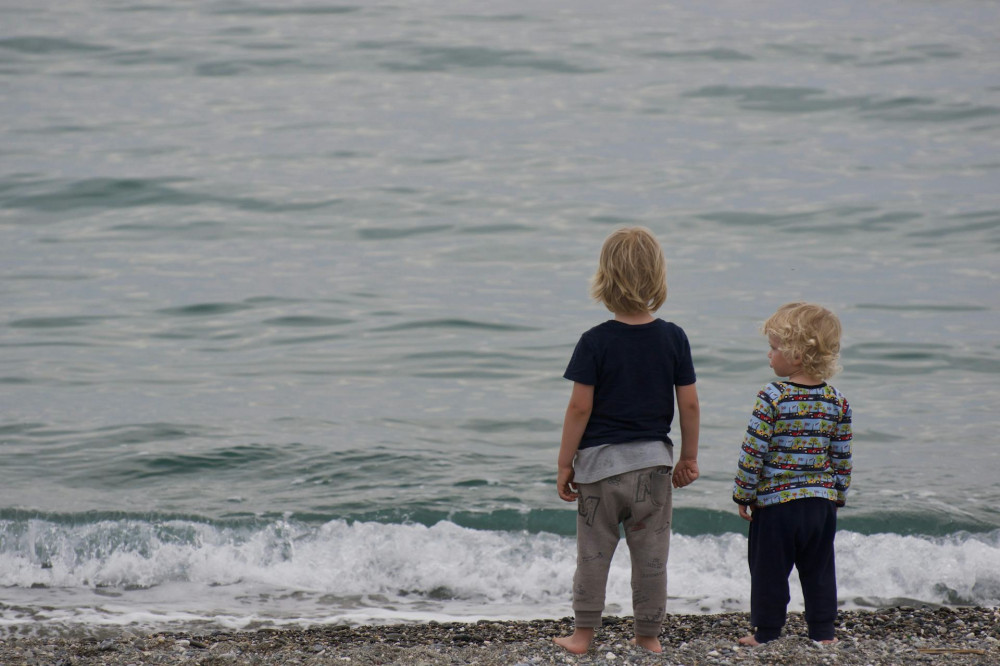
Younger kids may find it easier to use images or stories. You could say, “It felt like a big wave crashed over you, didn’t it?” This helps them understand that feelings come and go—and that they can ride them out safely.
Create a Sense of Security in Daily Life
Children thrive when they know what to expect. A predictable routine with regular meals, rest, and downtime provides a sense of safety and reduces emotional outbursts. Make sure your child has time to unwind—both alone and with you.
Consider setting up a calm corner at home—a cozy spot with pillows, books, or a favorite stuffed animal—where your child can go to take a break. It’s not a punishment, but a space for comfort and self-regulation.
Læs også:



Teach Simple Calming Strategies
When your child is calm, practice small techniques they can use when emotions start to rise. For example:
- Take deep breaths – breathe out slowly like blowing up a balloon.
- Count to ten – a simple way to pause before reacting.
- Use words – say “I’m mad” instead of hitting or yelling.
- Find something comforting – a soft toy, a blanket, or your hand.
The more you practice these strategies together, the easier it becomes for your child to use them when big feelings appear.
When You’re Unsure What to Do
Even the most patient parent can feel lost or overwhelmed. That’s completely normal. If your child’s reactions seem unusually intense or frequent, consider reaching out to a teacher, pediatrician, or child therapist. Sometimes small changes in daily routines or extra support can make a big difference.
Remember, you don’t have to handle everything alone. Seeking help is a sign of care—for your child and for yourself.
Growing Through Emotions
Learning to manage big emotions is a lifelong skill. Each time you help your child find calm, you strengthen their ability to understand themselves and others. You show them that feelings aren’t dangerous—they’re part of being human.
By meeting your child with patience, presence, and compassion, you give them one of the most valuable tools in life: the ability to return to calm when the world feels too big.
Læs også: