Learn to Resolve Conflicts at School – Step by Step Toward Cooperation
Learn to Resolve Conflicts at School – Step by Step Toward Cooperation
Conflicts are a natural part of school life. When many students spend time together every day, disagreements, misunderstandings, and clashes are bound to happen. They might be about group projects, friendships, teasing, or differences in opinions. But conflicts don’t have to be negative—they can become opportunities for learning, understanding, and building stronger relationships if handled the right way. Here’s a step-by-step guide to help students, teachers, and parents create a school culture where conflicts are resolved with respect and cooperation.
Step 1: Understand the Conflict – What Is It Really About?
The first step in resolving any conflict is to understand what it’s truly about. Disagreements often go deeper than the words being said—they can involve feelings, misunderstandings, or a sense of unfairness.
Teachers and adults can help students put their experiences into words by asking:
- What happened from your point of view?
- How did that make you feel?
- What do you think the other person felt?
When both sides have a chance to share their version of events, it becomes easier to see where the misunderstanding lies. That shared understanding is the foundation for finding a fair solution.
Læs også:
Step 2: Create Calm and Safety
Conflicts can quickly become emotional. Before trying to solve them, it’s important to calm down. This might mean taking a short break, stepping away from the situation, or taking a few deep breaths before talking.
In classrooms, it can help to have clear routines for handling conflicts—like a “peace corner” where students can talk things through quietly, or an agreement that they can ask a teacher for help if they can’t solve it on their own.
A sense of safety allows students to be honest about their feelings and take responsibility for their part in the conflict.
Step 3: Listen Actively – and Show Respect
Listening is one of the most powerful tools in conflict resolution. Active listening means not just hearing the words, but trying to understand what the other person feels and means. It requires patience, empathy, and respect—no interrupting, no judging.
Adults can model this behavior by reflecting back what a student says: “So you felt left out when your idea wasn’t included?” This shows that you’re listening and trying to understand—and it helps students learn to do the same for each other.
Step 4: Find Solutions Together
Once both sides have been heard, the next step is to find a solution that everyone can accept. The goal isn’t to decide who’s right or wrong, but to create an agreement that feels fair to everyone involved.
Ask questions like:
- What could make things better for both of you?
- What can each of you do differently next time?
- How can you help each other keep this agreement?
When students help create the solution, they’re more likely to follow through—and they also develop important social skills like empathy, responsibility, and teamwork.
Step 5: Follow Up – and Learn from the Experience
A conflict isn’t always fully resolved after one conversation. It’s important to check in after a few days: How are things going now? Is the agreement working? Does anything need to change?
Following up shows that you take the situation seriously and that you believe in the students’ ability to grow. It helps them see that conflicts aren’t something to fear—they’re something to learn from.
Build a Culture of Cooperation
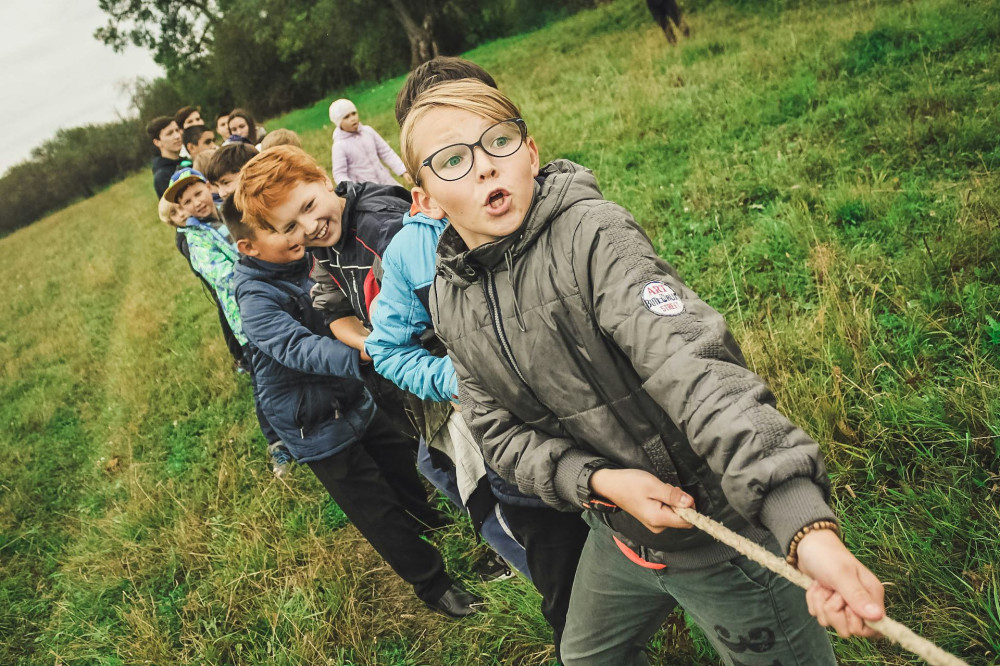
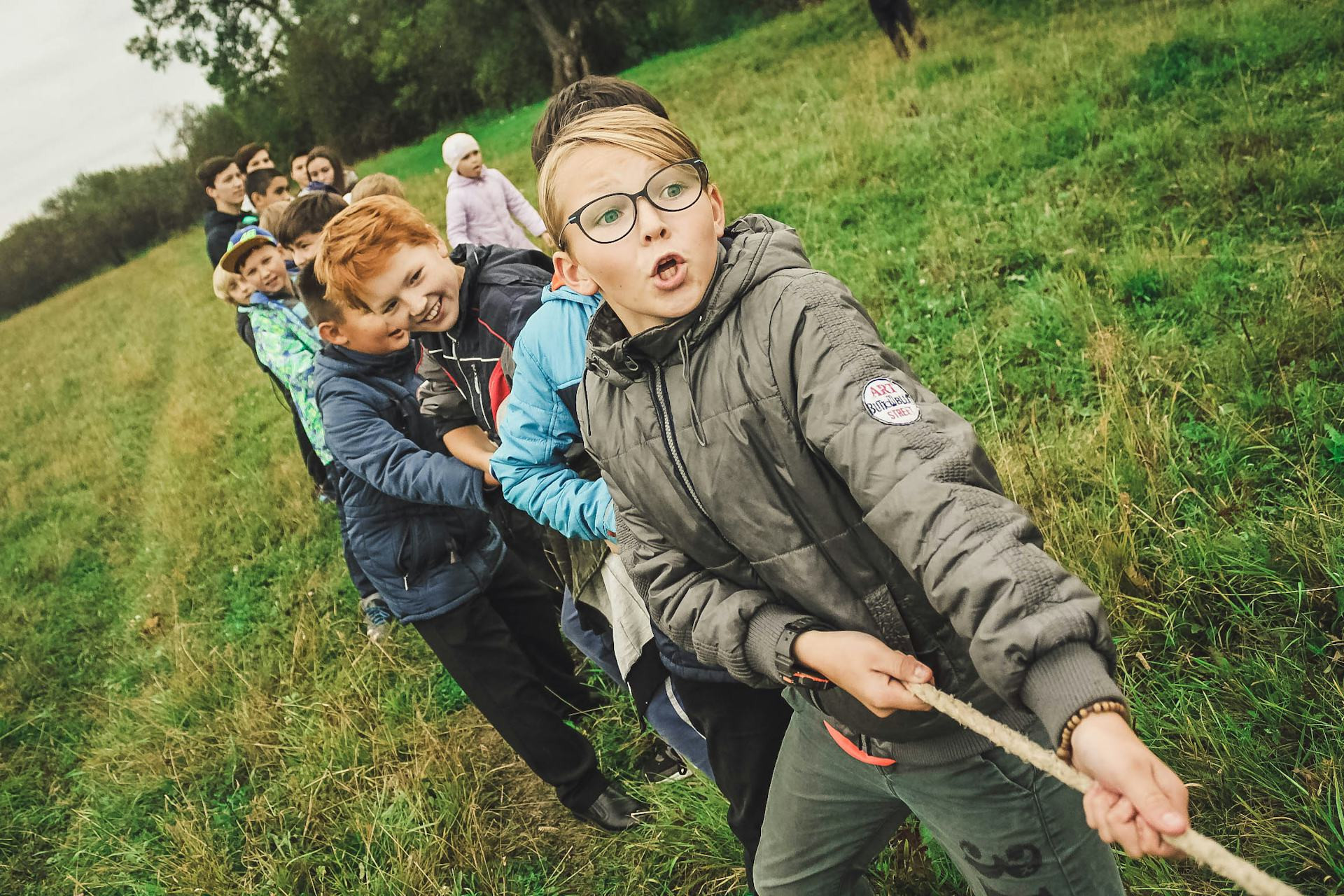
The best way to handle conflicts is to prevent them from escalating in the first place. Schools can do this by focusing on community, communication, and inclusion every day. Create shared rules about how to speak to one another and how to handle disagreements. Use team-building activities that teach students to listen, share responsibility, and find compromises.
When students see that conflicts are handled fairly and respectfully, it strengthens their trust in each other and in the adults around them. It builds a school environment where differences are valued—and cooperation becomes a natural part of daily life.
Cooperation Over Blame
Learning to resolve conflicts isn’t about finding someone to blame—it’s about understanding one another. When students learn that conflicts can be solved through dialogue and respect, they gain a lifelong skill that reaches far beyond school. They learn that cooperation doesn’t mean always agreeing—it means finding ways forward together, even when they disagree.
Læs også: