Leisure with Freedom: Structure and Independence in Children’s Everyday Lives

Leisure with Freedom: Structure and Independence in Children’s Everyday Lives
Children’s free time is more than just the hours between school and bedtime. It’s when curiosity, creativity, and independence take shape. Yet in a world filled with scheduled activities, digital distractions, and busy family calendars, finding the right balance between structure and freedom can be a challenge. How can parents create routines that offer both security and space for independence?
Why Structure Matters
Structure gives children a sense of predictability and calm. When they know what to expect, it’s easier for them to manage their day and their emotions. Consistent routines around meals, homework, and bedtime help children feel grounded and make room for energy to be spent on play and learning.
But structure isn’t just about time—it’s also about clear expectations. When children understand what’s expected of them, they can take responsibility. Simple tasks like packing their own backpack or helping set the table build confidence and a sense of contribution. These small moments of responsibility lay the foundation for independence later in life.
Freedom to Explore
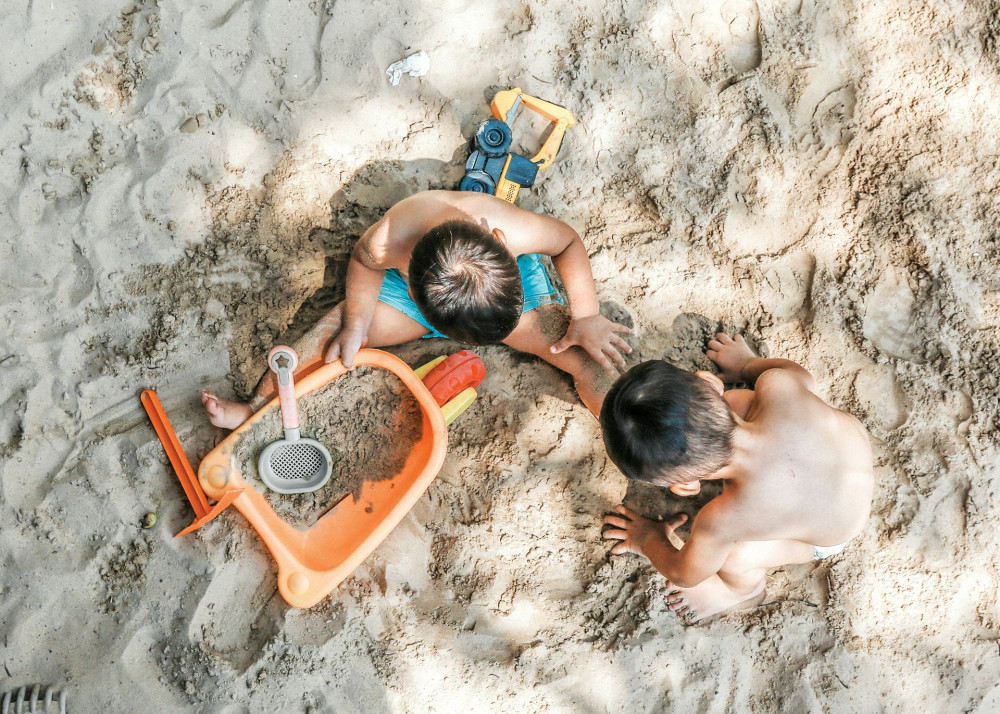
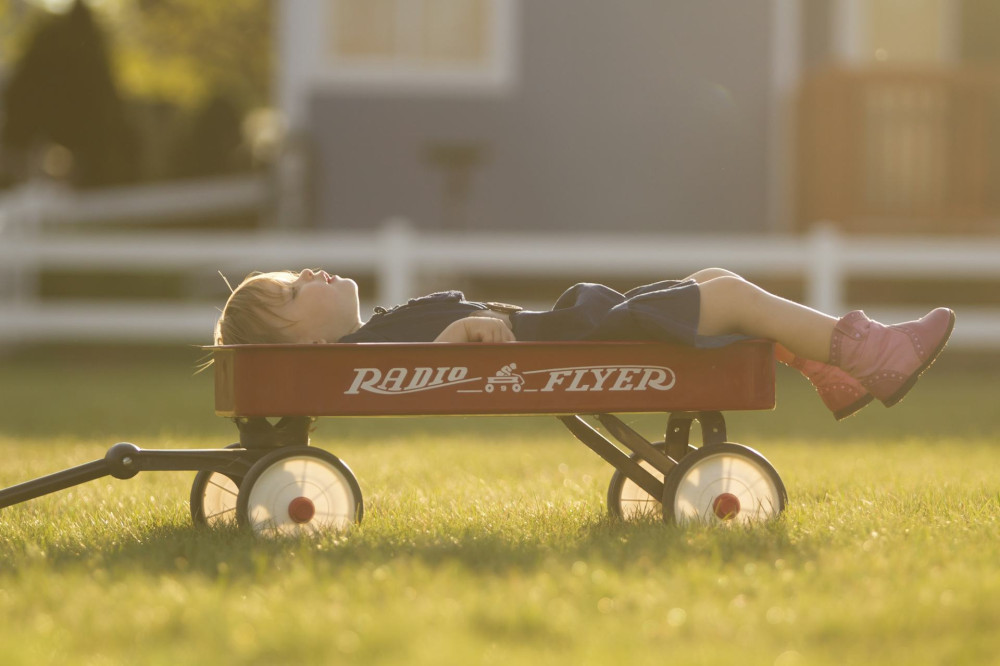
At the same time, children need freedom—freedom to play without adult direction, to get bored, and to invent their own fun. It’s in those unstructured moments that imagination, problem-solving, and social skills flourish.
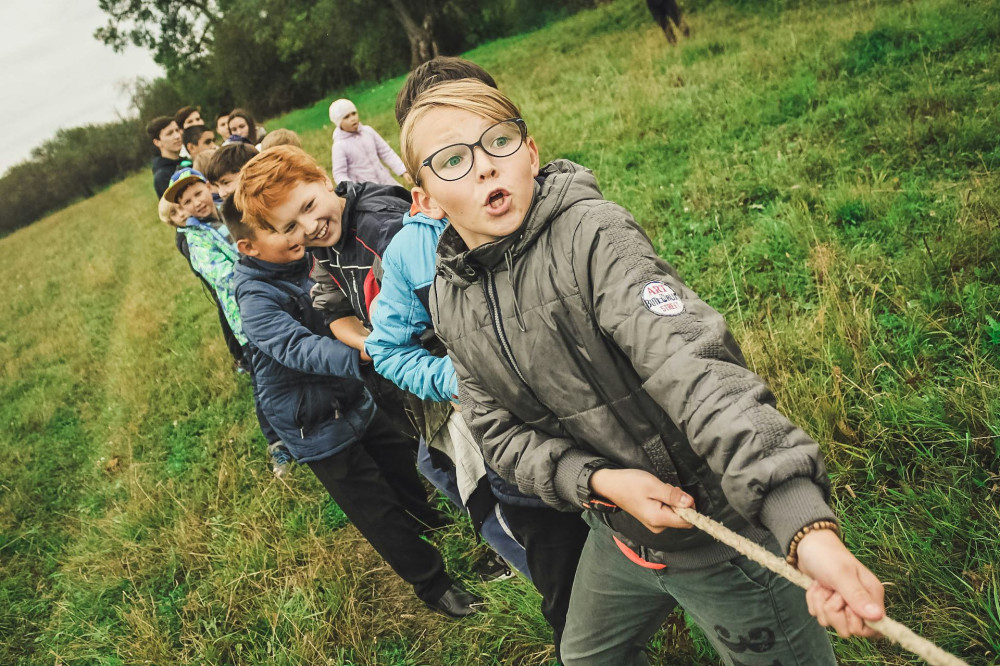
Research in child development shows that unstructured play supports creativity, resilience, and cooperation. When kids negotiate the rules of a game or build something together, they’re learning how to communicate, compromise, and lead—skills that matter just as much as academic success.
For many American families, the temptation is to fill every afternoon with sports, lessons, or enrichment programs. But sometimes the best gift a parent can give is time—time without plans, where the child decides what happens next.
Finding the Right Balance
Balancing structure and freedom takes attention and flexibility. Too much structure can stifle spontaneity, while too much freedom can lead to uncertainty. The key is to create a rhythm that combines both: predictable routines for the essentials, and open space for creativity and rest.
A good approach might be to keep mornings and evenings structured—consistent wake-up times, meals, and bedtime—while leaving afternoons and weekends more open. This gives children both stability and the chance to explore their own interests.
Involving children in planning can also make a difference. Ask what they’d like to do with their free time and make decisions together. When children have a say, they feel more invested and learn to manage their own time responsibly.
Screens, Free Time, and Self-Reliance
Screens are a big part of modern childhood, and managing them can be tricky. Instead of banning screen time altogether, it can be more effective to talk about how it’s used. What are they watching or playing? How does it make them feel?
Setting clear boundaries—like screen-free meals or time limits—helps children learn self-regulation. At the same time, offering alternatives such as outdoor play, creative projects, or family activities encourages balance. The goal isn’t to eliminate screens, but to help children use them thoughtfully and in moderation.
Læs også:
Free Time as Learning
Leisure isn’t just downtime—it’s another form of learning. When children build forts, ride bikes, or invent games, they’re practicing planning, cooperation, and problem-solving. These experiences teach persistence and adaptability—skills that last well beyond childhood.
Parents can support this kind of learning by showing interest without taking over. Ask about what your child is doing, listen to their ideas, and celebrate their efforts, whether they’re building with blocks or learning a new game. This shows that their free time has value—not just as a break, but as a vital part of growing up.
A Safe Space for Freedom
Leisure with freedom doesn’t mean letting go of all structure. It means creating a space where children can grow—where boundaries provide safety, and freedom allows discovery. When structure and independence work together, children gain both the confidence to explore and the security to thrive.
In that balance, they learn one of life’s most important lessons: that freedom and stability aren’t opposites, but partners in helping them become capable, confident, and curious individuals.
Læs også: