Treatment Approaches in Child and Adolescent Psychiatry: What They Involve and How They Support the Child’s Well-Being


Treatment Approaches in Child and Adolescent Psychiatry: What They Involve and How They Support the Child’s Well-Being
When a child or teenager experiences mental health challenges, it can affect every aspect of family life. In child and adolescent psychiatry, a range of treatment approaches are designed to help young people feel better—emotionally, socially, and academically. Each treatment plan is tailored to the individual child’s needs, but there are several core approaches that are commonly used. Below is an overview of these approaches and how they support a child’s overall well-being.
Talk Therapy – Building Understanding and Change Through Conversation
Talk therapy, or psychotherapy, is a cornerstone of child and adolescent mental health treatment. It provides a safe space for children to express their thoughts, feelings, and experiences with a psychologist, psychiatrist, or therapist. Through these conversations, children can gain insight into their emotions, develop coping strategies, and build confidence in their ability to handle challenges.
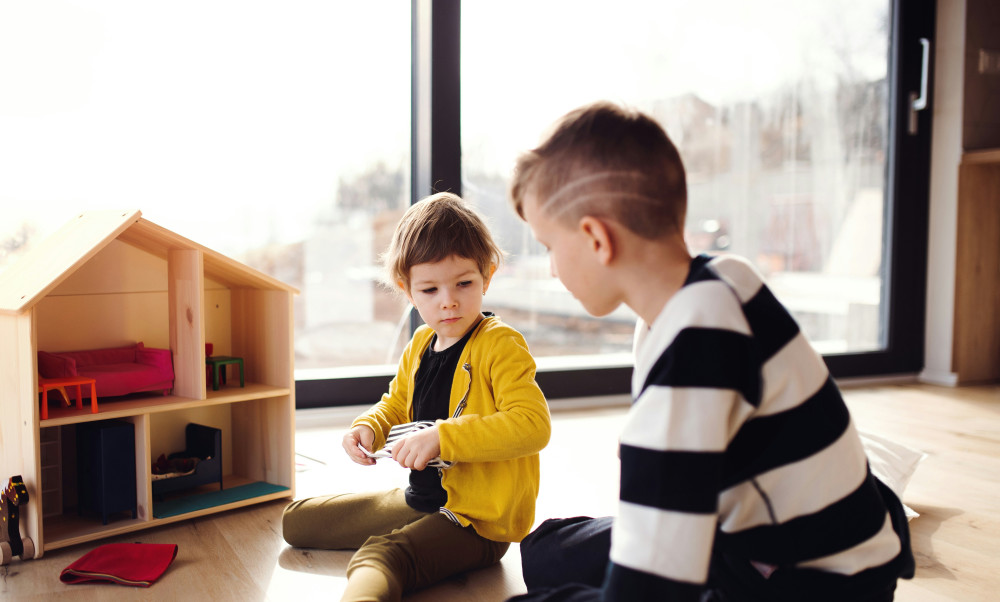
For younger children, therapy often includes play, drawing, or storytelling to help them communicate in ways that feel natural. For adolescents, sessions may focus more on identity, relationships, and managing stress, anxiety, or depression. The goal is to help the young person understand themselves better and find healthy ways to navigate life’s difficulties.
Family Involvement – When the Whole Family Becomes Part of the Solution
A child’s mental health affects the entire family, which is why family involvement is a key part of treatment. Family therapy or parent sessions focus on improving communication, fostering understanding, and finding ways to support the child together.
Parents often receive guidance on how to help their child at home—by creating structure, supporting social connections, and managing conflicts calmly. When families work collaboratively with the treatment team, the child’s progress tends to be stronger and more sustainable.
Psychoeducation – Knowledge as a Tool for Empowerment
Psychoeducation means providing information about the child’s mental health condition—its symptoms, causes, and treatment options. Understanding what is happening can reduce fear and uncertainty for both the child and their family. It also helps them recognize early warning signs and take steps to prevent relapse.
Psychoeducation can take place individually, in family sessions, or in group settings. In the U.S., many clinics and hospitals offer educational workshops for parents and caregivers, helping them feel more confident in supporting their child’s recovery.
Group Therapy – Connection and Shared Experience
For many children and teens, meeting others who face similar challenges can be deeply reassuring. Group therapy provides a supportive environment where participants can share experiences, learn from one another, and practice social and emotional skills.
Groups often focus on topics such as self-esteem, anxiety management, or emotional regulation. The sense of belonging that develops in these groups can boost confidence and help young people realize they are not alone in their struggles.
Medication – When It’s Part of the Treatment Plan
In some cases, medication may be recommended as part of a comprehensive treatment plan—for example, for ADHD, depression, or severe anxiety. Medication can help reduce symptoms so that the child can better engage in school, relationships, and therapy.
Decisions about medication are made collaboratively among the psychiatrist, parents, and, when appropriate, the child. Ongoing monitoring ensures that the medication is effective and that any side effects are managed. Medication is typically combined with therapy and other supports to address the child’s needs holistically.
Læs også:




A Team-Based Approach – Coordinated Care for the Whole Child
Treatment in child and adolescent psychiatry often involves a multidisciplinary team that may include psychiatrists, psychologists, social workers, nurses, and therapists. This team-based approach ensures that the child’s emotional, social, and practical needs are all considered.
Collaboration often extends beyond the clinic to include schools, pediatricians, and community services. In the U.S., this coordinated care model helps ensure that children receive consistent support across all areas of their lives—from home to school to community settings.
The Path Toward Well-Being
Treatment in child and adolescent psychiatry is not just about reducing symptoms—it’s about helping children and teens understand themselves, build resilience, and rediscover joy in daily life. Progress can take time, and patience is often required, but with the right support, most young people experience meaningful improvement.
When a child feels understood and the family is equipped with tools to help, a foundation for lasting well-being is created. That is the ultimate goal of these treatment approaches: to give every child the opportunity to grow, learn, and thrive with confidence and hope.
Læs også: