The Right to Play and Rest – An Important Part of Children’s Well-Being and Rights

The Right to Play and Rest – An Important Part of Children’s Well-Being and Rights
Play and rest are not just pleasant breaks in a child’s day – they are essential needs and fundamental rights that shape children’s development, happiness, and overall well-being. According to the United Nations Convention on the Rights of the Child, every child has the right to rest, leisure, and play. Yet, in today’s fast-paced world filled with schoolwork, extracurricular activities, and screen time, these rights can easily be overlooked.
This article explores why the right to play and rest is so important, how it affects children’s well-being, and what parents, educators, and communities in the United States can do to ensure that children have the time and space they need to thrive.
Play – More Than Just Fun
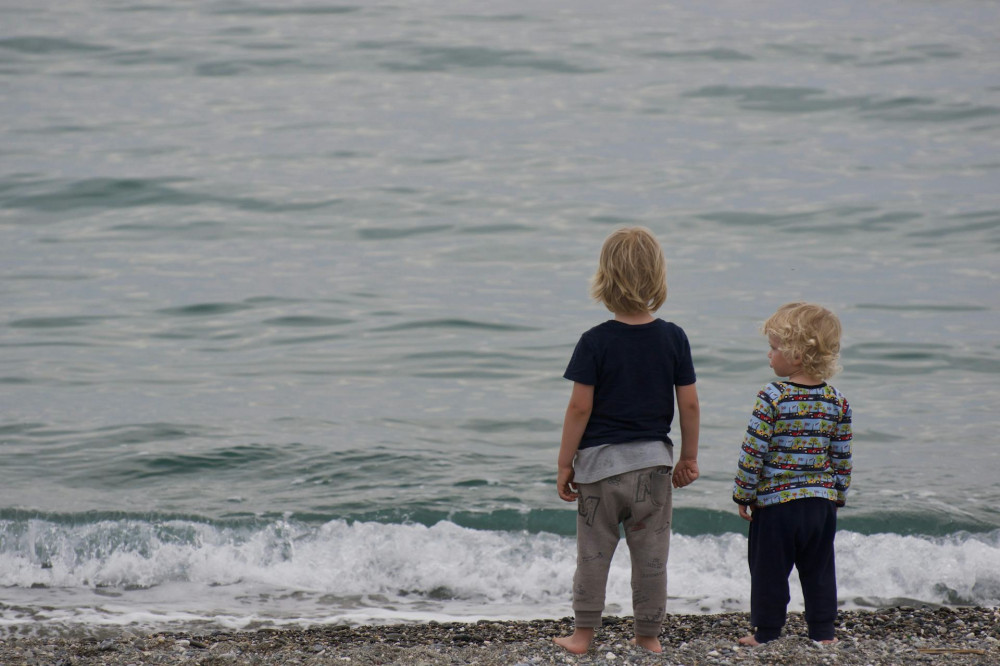
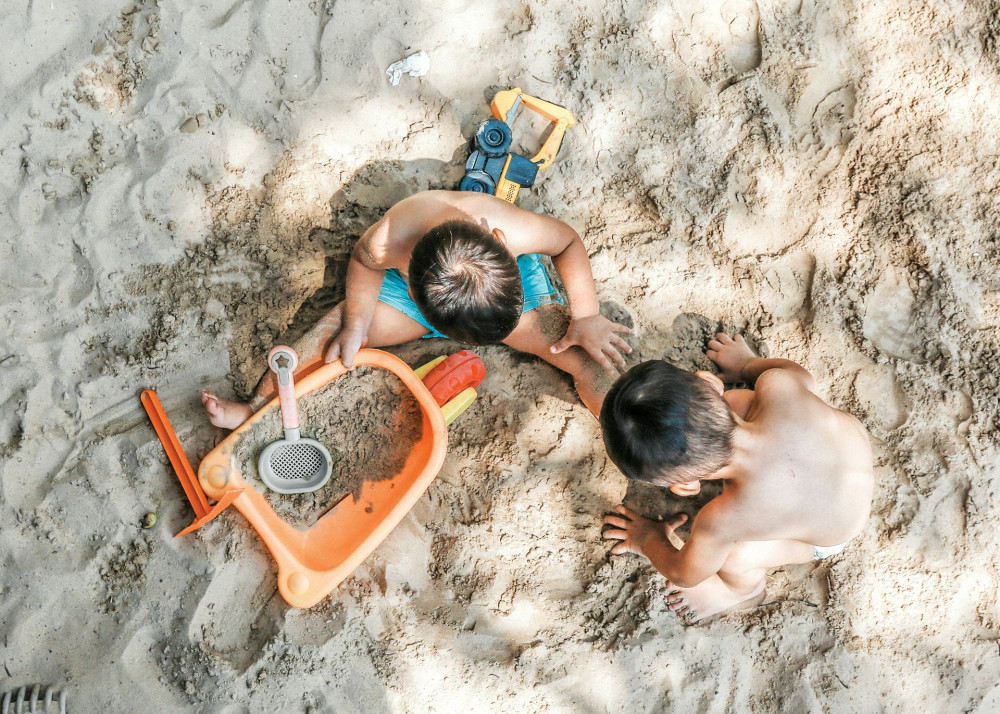
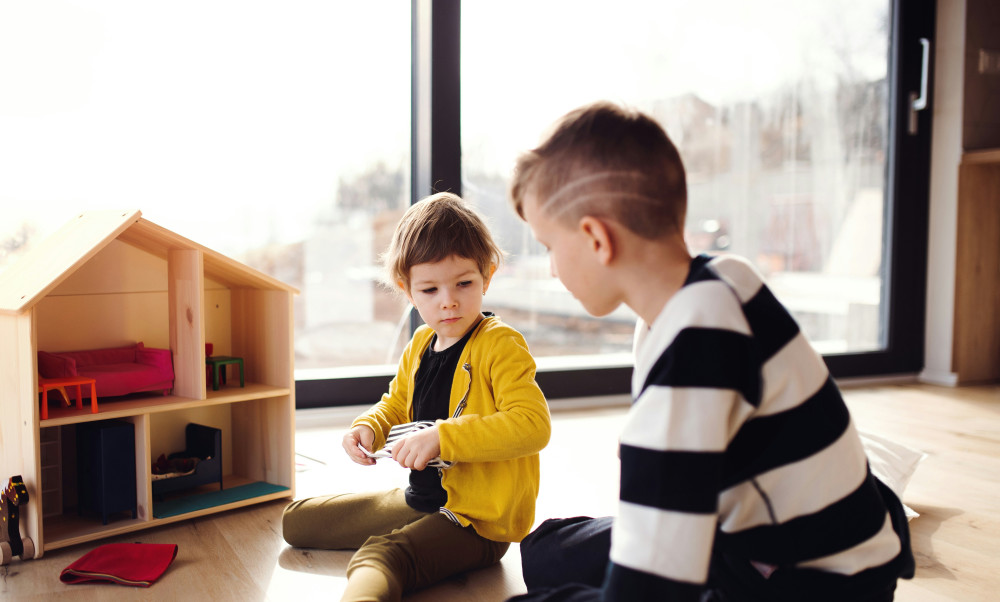
Play is how children make sense of the world. Through play, they develop creativity, social skills, empathy, and problem-solving abilities. When children play, they learn to cooperate, negotiate, and express emotions – all skills that are vital for their future.
Research shows that free play – play that is self-directed and not led by adults – is especially valuable. It allows children to explore their own ideas, test boundaries, and build confidence. Whether it’s building forts in the backyard, playing make-believe with friends, or inventing new games, free play nurtures imagination and independence.
However, many American children today have less time for unstructured play. Busy schedules, academic pressure, and organized sports often fill their days. In addition, safety concerns and increased screen use mean that many children spend less time playing outdoors. When play becomes structured or limited, it loses some of its power to support creativity and emotional growth.
Læs også:


Rest – A Foundation for Well-Being
Just like play, rest is a crucial part of children’s health and happiness. Rest is not only about sleep – it also includes quiet moments, downtime, and opportunities to relax and recharge. Children need time to daydream, reflect, and simply be, without constant stimulation or expectations.
Lack of rest can lead to stress, difficulty concentrating, and reduced learning capacity. In a culture that often values productivity and achievement, it’s easy to forget that children need balance. With the constant presence of screens, social media, and packed schedules, creating space for rest has become more important than ever.
Supporting children’s right to rest means helping them find a rhythm that includes both activity and calm. It’s about recognizing that stillness and boredom can be just as valuable as busyness.
The Role of Parents and Society
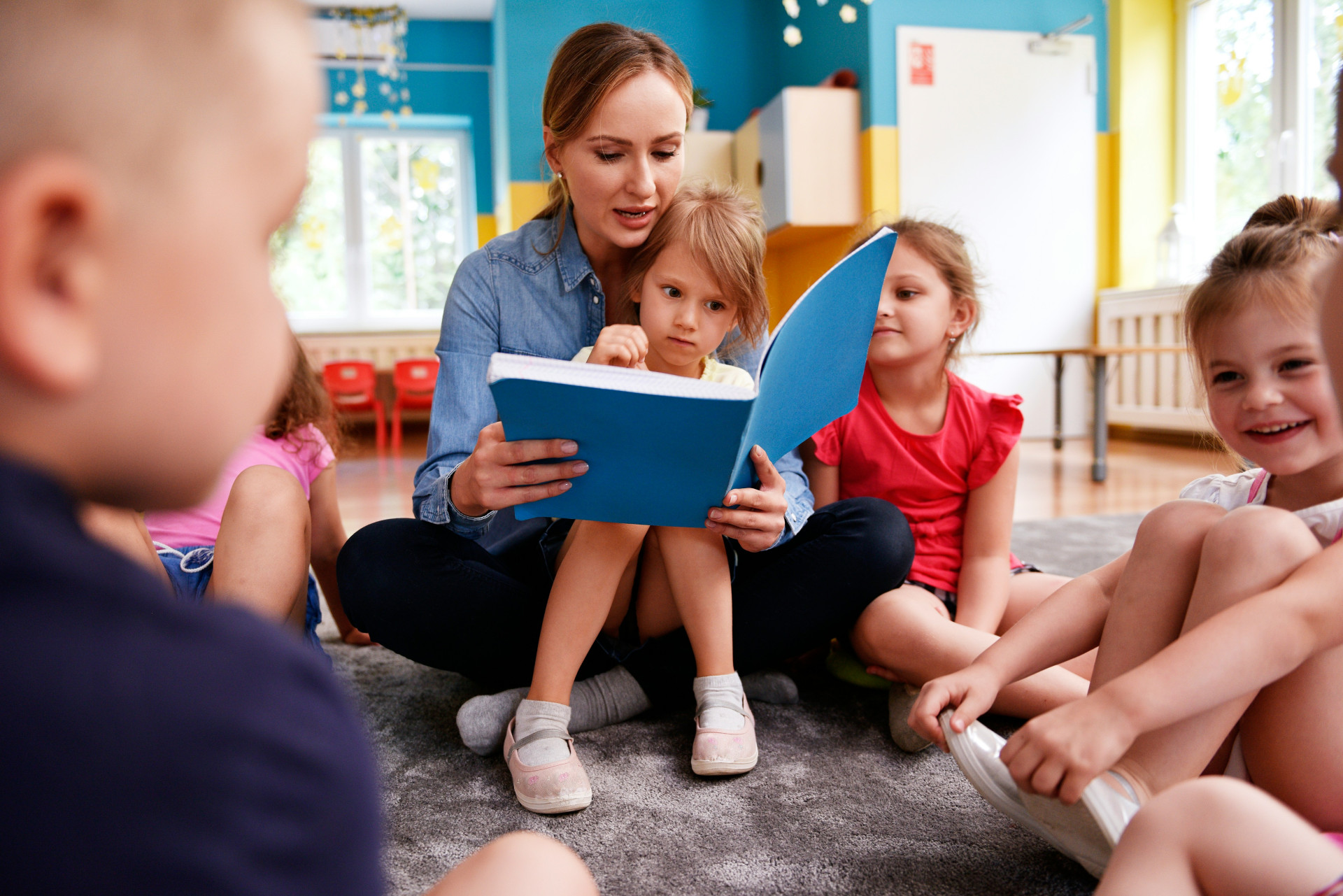
Adults have a shared responsibility to protect children’s right to play and rest. Parents, teachers, community leaders, and policymakers all play a part in creating environments that support these needs.
As a parent, you can:
- Protect time for free play – let children play without adult direction or goals.
- Establish calm routines – such as regular bedtimes and screen-free periods.
- Respect downtime – allow children to take breaks, daydream, or simply do nothing.
At the community level, it’s important to ensure that schools and neighborhoods provide safe, accessible spaces for play. Parks, playgrounds, and community centers are vital for children’s physical and social development. Policymakers can also support initiatives that reduce academic pressure and promote balanced lifestyles for children.
A Right That Deserves Attention
Even though the right to play and rest is recognized internationally, it is not always fully respected in practice. As children’s lives become more structured and digital, we risk forgetting how essential free time is for their growth and happiness.
Protecting this right is not just about giving children more leisure time – it’s about acknowledging that play and rest are as important as education and health. They are the foundation for raising well-rounded, resilient, and joyful individuals.
A Reminder for All of Us
When we talk about children’s well-being, we often focus on academics, nutrition, and safety. But we must also remember that children need time to simply be children.
To play, imagine, rest, and laugh – without pressure, without goals, and without performance. This is not wasted time. It is the very essence of a healthy and happy childhood.
Læs også: