Support Your Child’s Curiosity – How to Nurture Their Desire to Explore the World


Support Your Child’s Curiosity – How to Nurture Their Desire to Explore the World
Children are born curious. They ask questions, take things apart, taste, touch, and experiment. That’s how they learn about the world—and about themselves. But in a busy life filled with screens, schedules, and structured activities, curiosity can easily fade into the background. As a parent, you play a key role in keeping that spark alive. Here’s how you can support your child’s natural curiosity—both in everyday moments and through shared experiences.
Make Room for Questions—and Time for Answers
When your child asks “why?”, it’s not just to test your patience. It’s a sign of genuine interest. Instead of giving quick answers, try turning the question back: “What do you think?” or “How could we find out?” This encourages your child to think critically and shows that their ideas matter.
You don’t need to have all the answers. In fact, it’s powerful to admit when you don’t know something. Try saying, “I’m not sure—want to figure it out together?” That way, curiosity becomes a shared adventure rather than a quiz.
Læs også:




Encourage Play and Experimentation
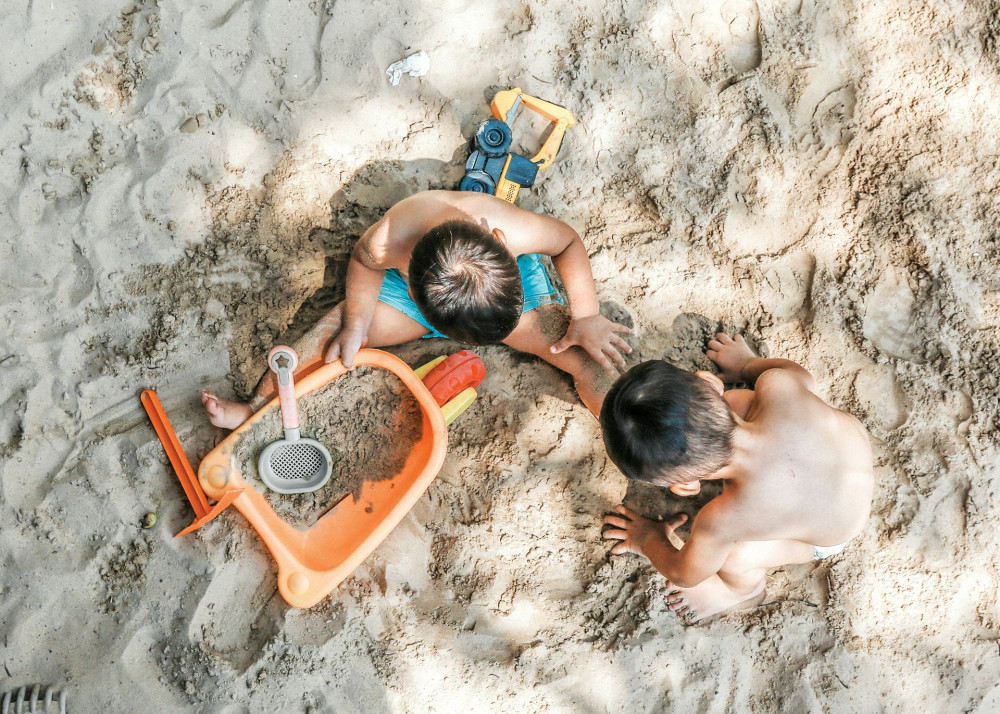
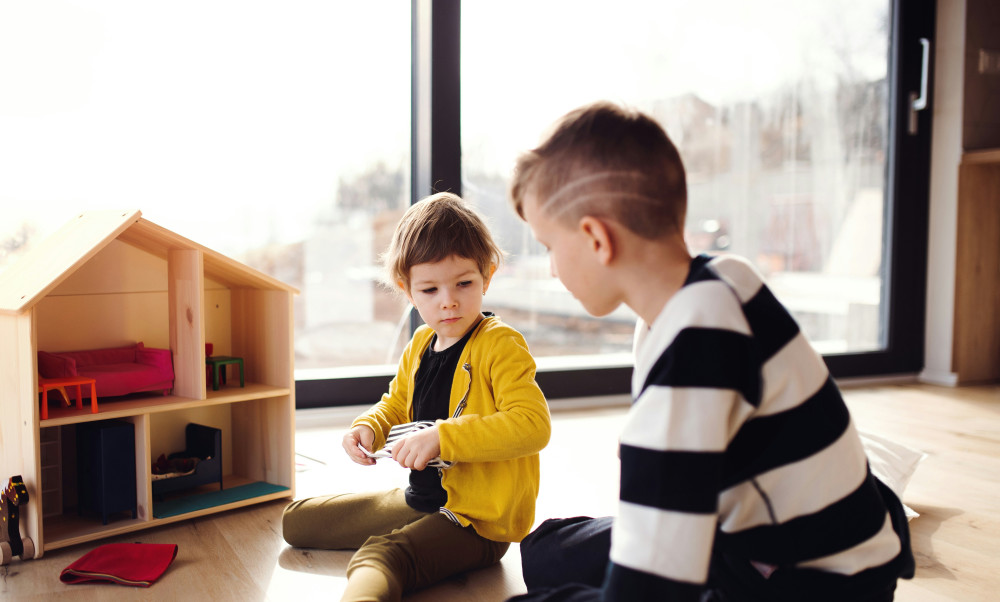
Play is how children explore the world. When they build, draw, mix, or invent stories, they’re developing creativity, problem-solving skills, and confidence. Give your child time and space for unstructured play—without too many rules or expectations about the outcome.
It can be tempting to step in and correct or guide, but sometimes the best learning happens when things don’t go as planned. If the tower falls or the experiment fails, that’s part of the process. Help your child see mistakes as opportunities to learn, not as failures.
Take Curiosity Outside
Curiosity thrives when there’s something new to discover. A walk in the park, a trip to the beach, or a visit to a museum can all become learning adventures if you explore together. Look for patterns in nature, observe insects, or talk about how things work in your surroundings.
You don’t need to plan elaborate outings. Even a walk around the neighborhood can spark questions: Why do leaves change color? How does a stoplight know when to turn green? Who built that old house? The key is to look at the world with open eyes—and show that wondering is exciting.
Create a Home Where Curiosity Is Welcome
A curious child needs an environment where it’s safe to ask questions and try new things. You can nurture that by showing genuine interest in your child’s ideas and projects—even when they seem unusual or impractical.
Set up small “exploration zones” at home: a space for building, drawing, collecting, or reading. Provide materials that invite discovery—paper, art supplies, magnets, magnifying glasses, or old gadgets that can be taken apart. It doesn’t have to be expensive, just accessible.
Model Your Own Curiosity
Children learn most from what they see. When you show curiosity about the world, it’s contagious. Share your own wonder: “I’ve always wondered how birds know where to migrate,” or “I read something fascinating today—want to hear about it?” When you show that learning doesn’t stop with age, your child learns that curiosity is a lifelong strength.
You can also involve your child in your own projects—cooking, gardening, fixing things, or creative hobbies. These shared activities open the door to questions, experimentation, and discovery.
Give Time and Space—Curiosity Needs Breathing Room
In a fast-paced world, it can be hard to slow down. But curiosity doesn’t flourish in a rush. Children need quiet moments to think, observe, and play without interruption. Try to create small pockets of calm in your daily routine—without screens, schedules, or expectations.
When children have time to get a little bored, new ideas often emerge. Boredom can be the doorway to creativity if there’s space for imagination to wander.
Curiosity as a Lifelong Compass
Supporting your child’s curiosity isn’t just about learning facts—it’s about nurturing a mindset. A curious child grows into an adult who asks questions, seeks solutions, and sees possibilities where others see limits.
By showing interest, giving space, and sharing your own sense of wonder, you help your child keep that spark alive—the one that makes the world feel full of things to discover. And that may be one of the greatest gifts you can give.
Læs også: