Sharing as Play: How Children Naturally Learn to Share Toys

Sharing as Play: How Children Naturally Learn to Share Toys
Sharing toys might seem like a small act, but for children, it’s a big step in learning how to connect with others. When a child passes a truck, a doll, or a block to a friend, they’re practicing empathy, cooperation, and patience. Sharing doesn’t come automatically—but it also doesn’t need to be forced. With the right support, children can discover that sharing can be both fun and rewarding.
Sharing Begins with Understanding
Young children don’t start out knowing the difference between “mine” and “yours.” Around age three, they begin to realize that other people have feelings and desires too. That’s when they can start to understand that sharing makes play more enjoyable for everyone.
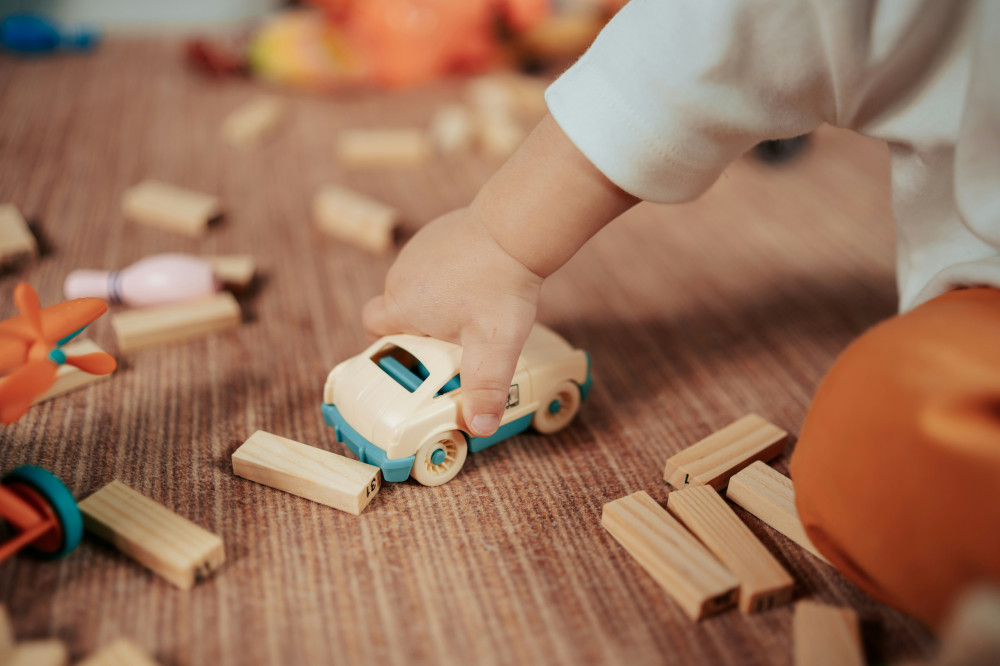
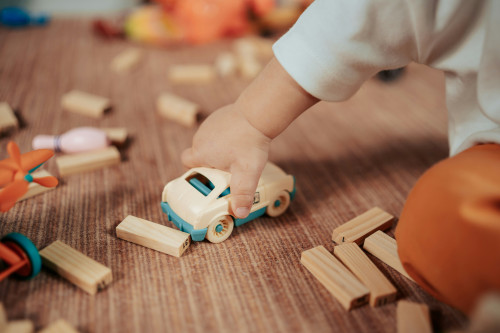
Parents and caregivers can nurture this understanding by putting words to what’s happening: “When you let Mia play with your truck, you can build a road together.” This helps children see that sharing isn’t about losing something—it’s about creating joy together.
Play as a Learning Space
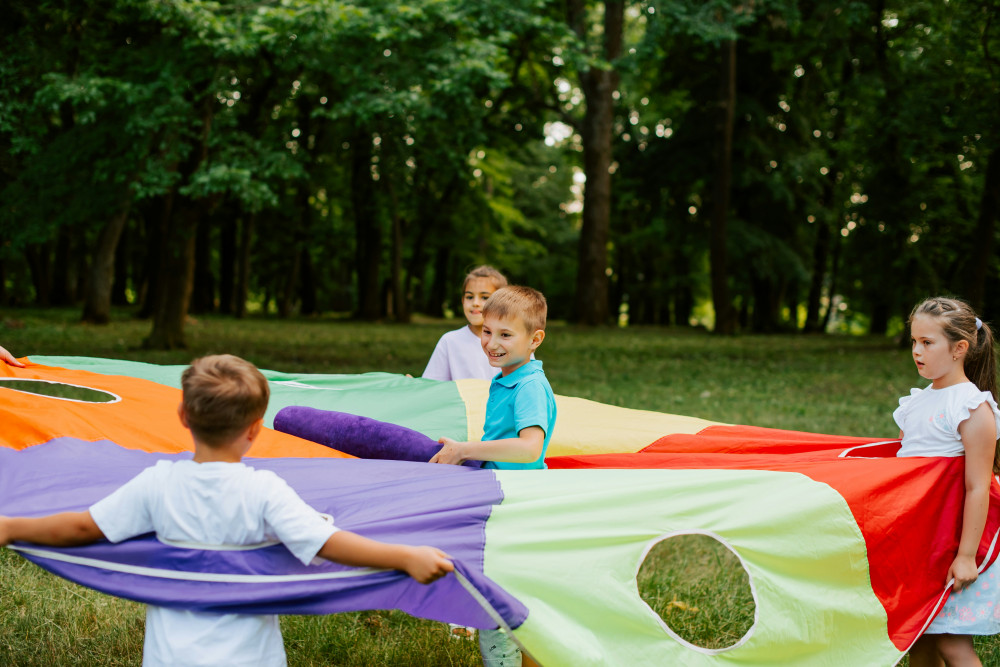
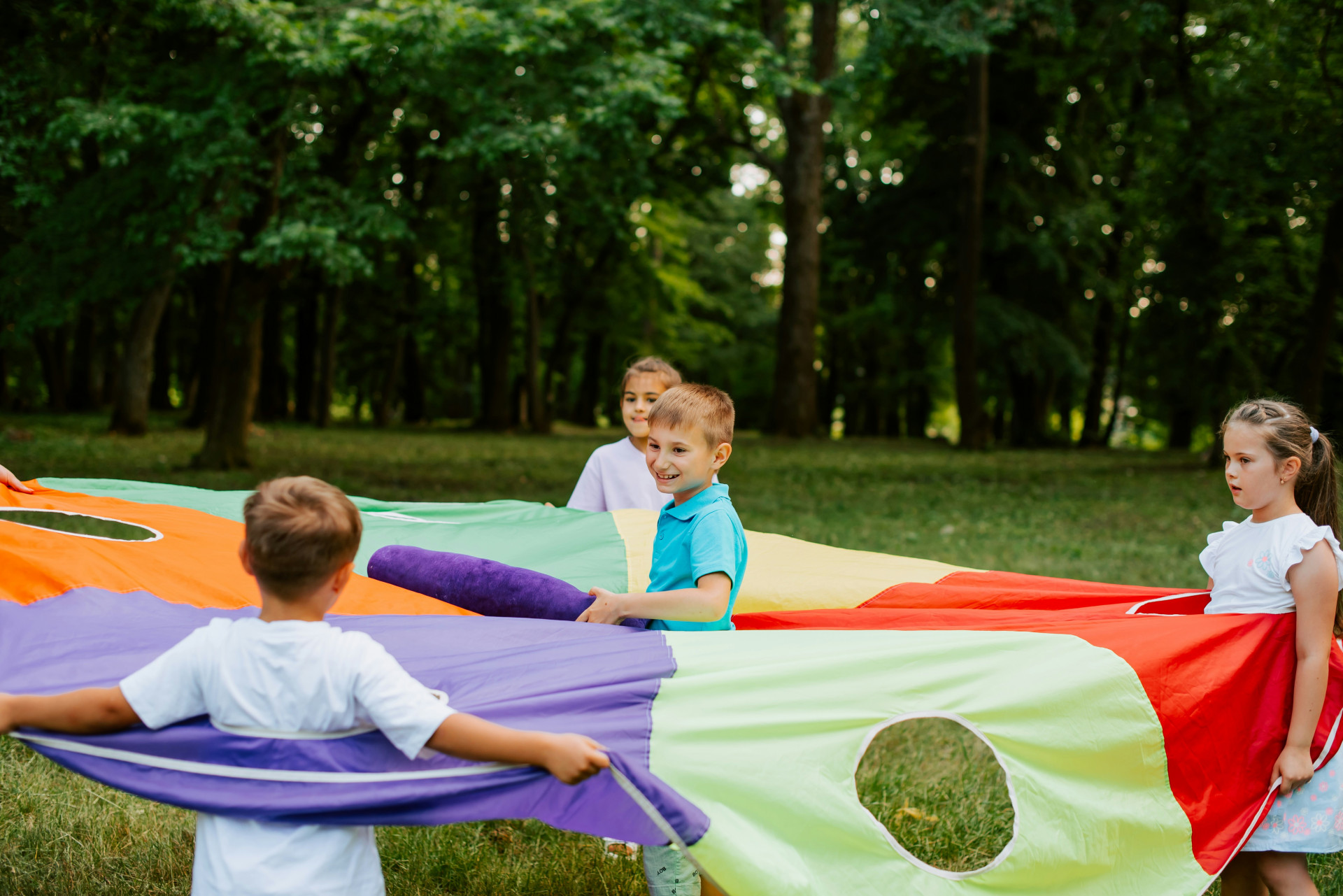
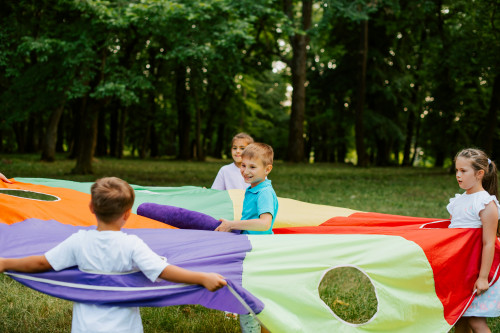
Children learn best through play, and sharing is no exception. Instead of turning sharing into a rule, make it part of the game. Activities that involve taking turns—like board games or playground games—teach patience, cooperation, and respect for others.
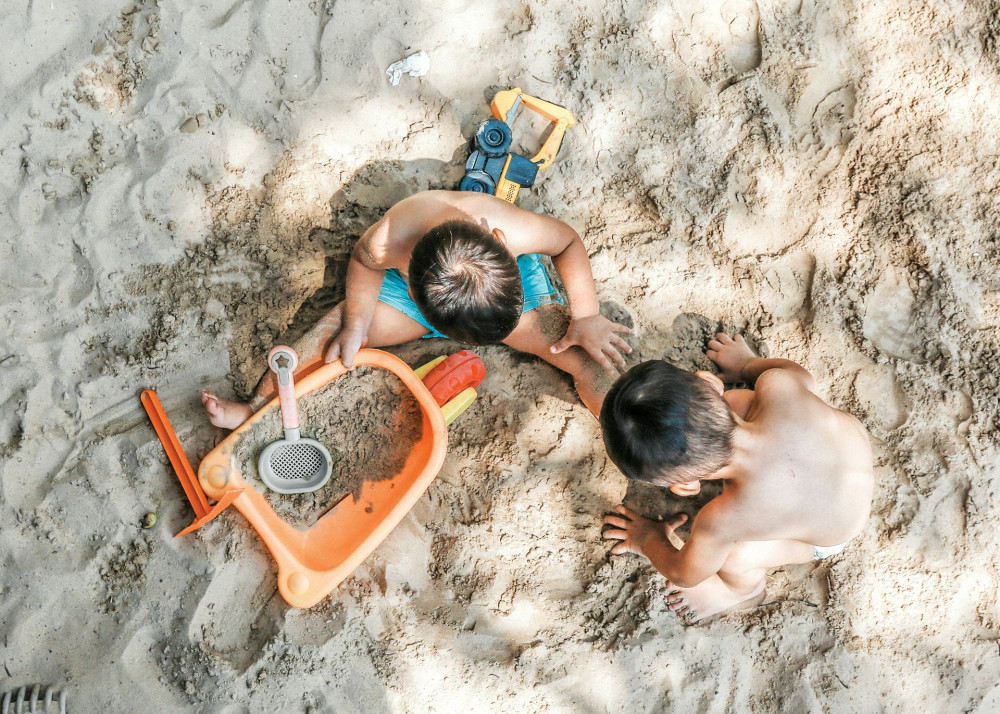
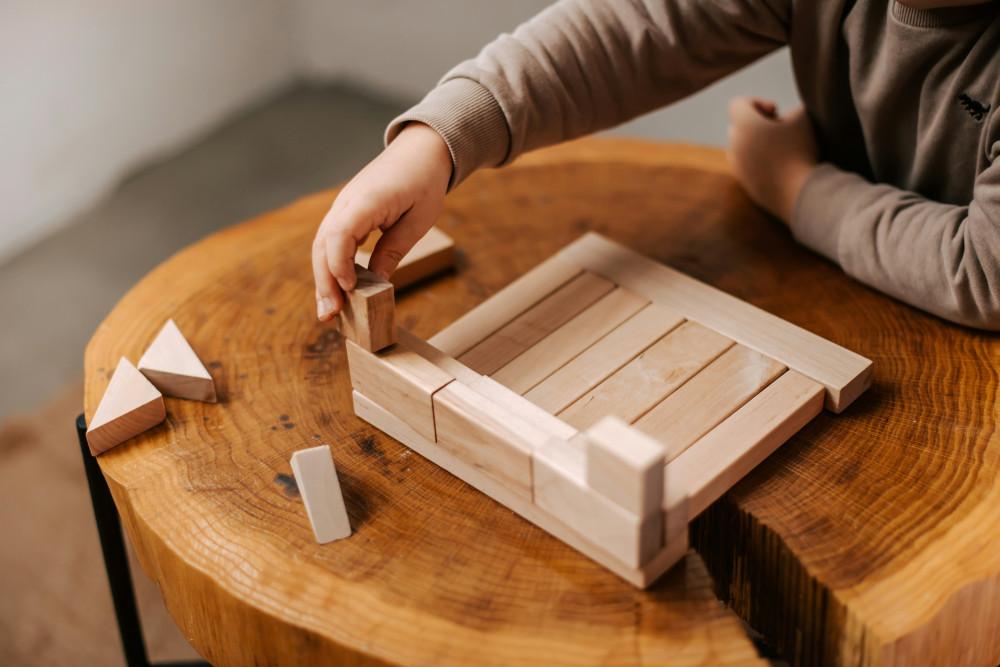
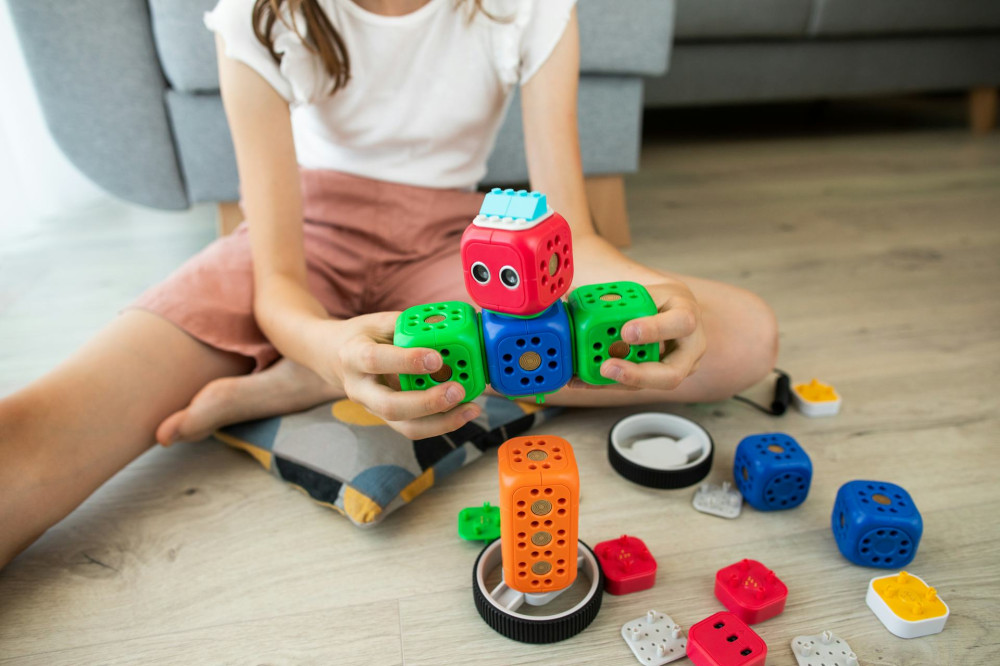
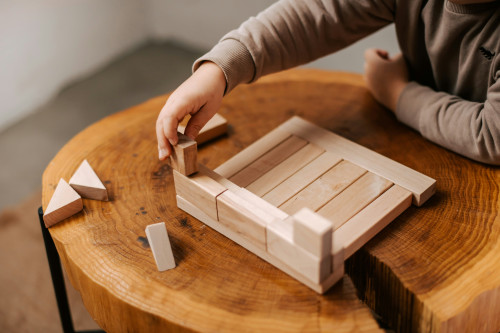
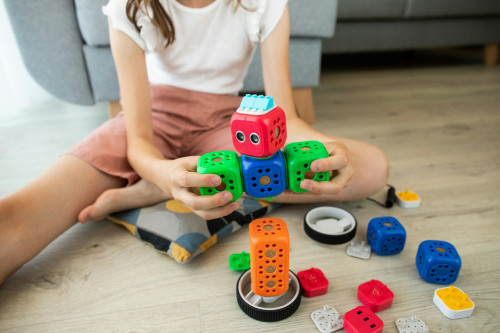
You can also set up play experiences where sharing happens naturally. Building a block tower together, making pretend meals in a play kitchen, or trading action figures in a story game all show that sharing can make play richer and more creative. When sharing is part of something fun, children see it as a win, not a demand.
Give Children Ownership and Security
A child who feels secure and respected is more willing to share. It might sound counterintuitive, but acknowledging a child’s right to keep certain toys private actually makes sharing easier. When children know they can say no to sharing a special stuffed animal, they’re more open to sharing other toys.
You might set aside a few “personal” toys and keep the rest for group play. This gives children a sense of control and helps them feel safe enough to open up to others.
Be a Role Model
Children learn most from what they see. When adults share, help, and show kindness, it leaves a lasting impression. You can model sharing in everyday life—by offering a snack, lending a book, or helping a neighbor. When children see that sharing builds connection and happiness, they naturally want to do the same.
Praise Cooperation, Not Just the Outcome
When a child shares, it’s important to recognize the act itself. Instead of simply saying “good job,” describe what happened: “That was kind of you to let Liam try your truck—now you’re playing together.” This helps children understand that sharing isn’t about earning praise, but about creating positive experiences with others.
When Sharing Feels Hard
Even children who usually share happily will have moments when they don’t want to. That’s completely normal. Fatigue, hunger, or uncertainty can make it harder to let go. In those moments, empathy works better than pressure. You might say, “You really want to play with the truck right now—maybe you and Ava can find something else to play with together.”
Sharing should feel safe, not forced. Over time, children learn that giving others a turn can feel good—and that play is often more fun when it’s shared.
Læs også:
A Skill for Life
Sharing toys is just the beginning. The social skills children develop through sharing—empathy, cooperation, and problem-solving—stay with them for life. These are the same skills that help them make friends at school, work on group projects, and build strong relationships as adults.
When we support children in sharing on their own terms, we help them discover that community isn’t about giving something up—it’s about gaining more together.
Læs også: