Movement Through Play: How Toys Encourage Children’s Physical Development

Movement Through Play: How Toys Encourage Children’s Physical Development
When children play, they move—and when they move, they grow. Play and movement are deeply connected, and the right toys can be powerful tools for building strength, coordination, and body awareness. In a time when many kids spend hours in front of screens, it’s more important than ever to create opportunities for active play that’s both fun and developmentally enriching. Here’s how toys can support children’s physical development—and how parents can help make it happen.
Play as the Foundation for Learning
Children learn through their bodies. When they crawl, jump, run, and balance, they’re not just building muscles and coordination—they’re also developing spatial awareness, focus, and problem-solving skills. Physical experiences lay the groundwork for later learning, even in areas like reading and math.
Toys that invite movement give children a safe way to explore their physical abilities. Whether it’s a simple ball, a climbing structure, or a ride-on toy, the key is that play sparks curiosity and encourages kids to try again and again.
Toys That Get Kids Moving
There are countless types of toys that promote movement—indoors and outdoors alike. Here are a few examples:
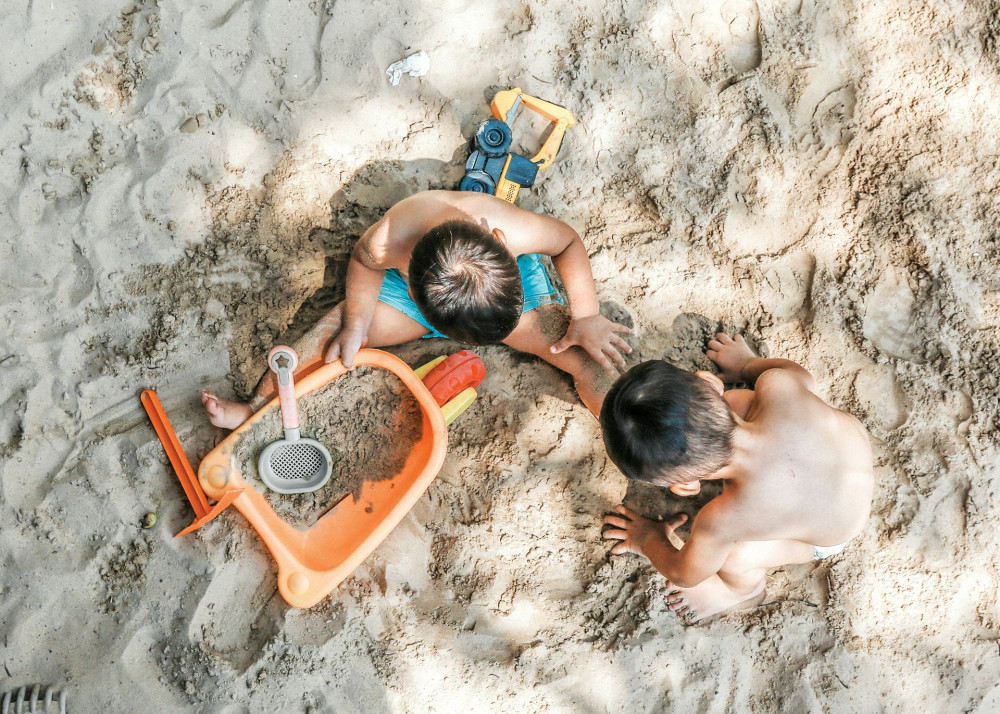
- Classic outdoor toys like swings, slides, scooters, and balls help children use large muscle groups while improving balance and coordination.
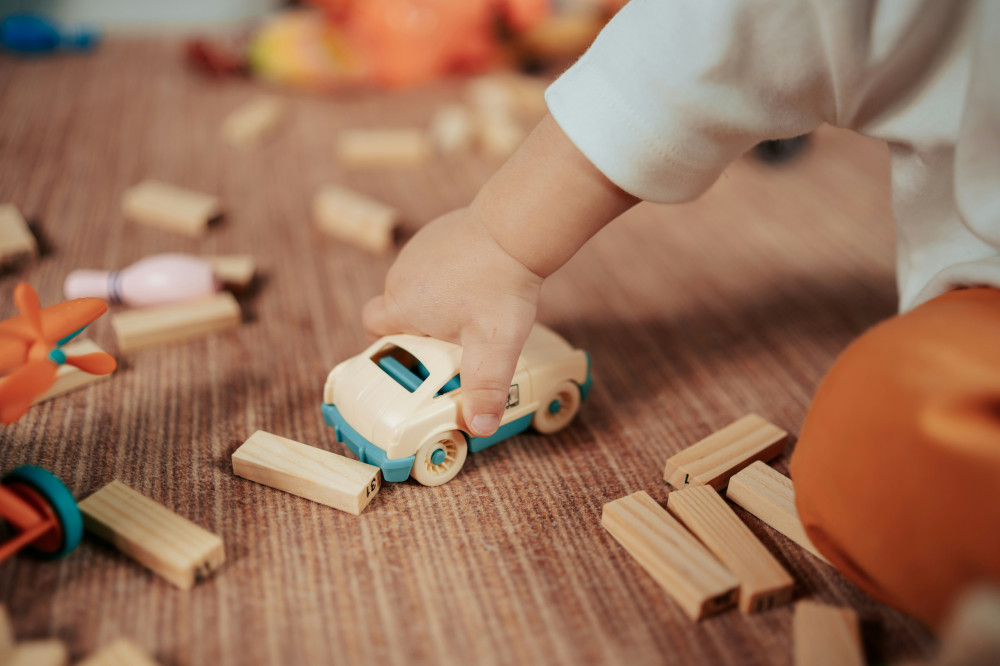
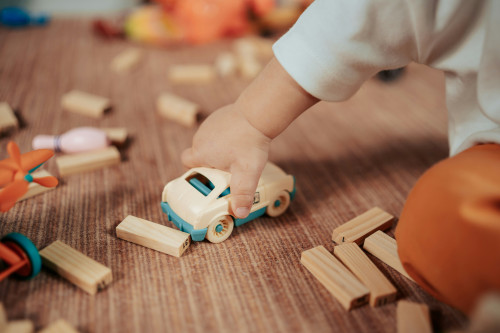
- Motor skill toys for toddlers—such as push walkers, soft blocks, and foam play sets—support early body control and confidence in movement.
- Creative movement toys like hula hoops, jump ropes, and balance boards challenge kids in playful ways and can be enjoyed alone or with friends.
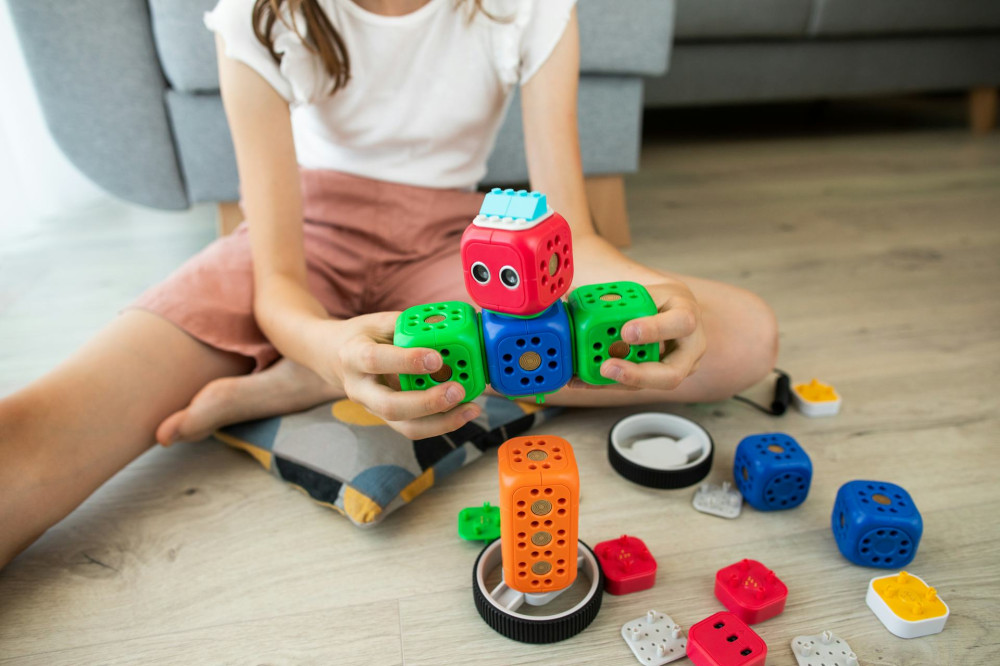
- Interactive digital games that combine play with physical activity—like dance or motion-based video games—can also encourage movement when used in moderation.
What matters most isn’t how fancy the toy is, but how it’s used. A cardboard box can inspire just as much active play as an expensive piece of equipment if it fuels imagination and movement.
Movement and Social Skills
Active play isn’t only about physical growth—it’s also about connection. When children play together, they learn to cooperate, take turns, and read social cues. Physical play can strengthen both social and emotional skills.
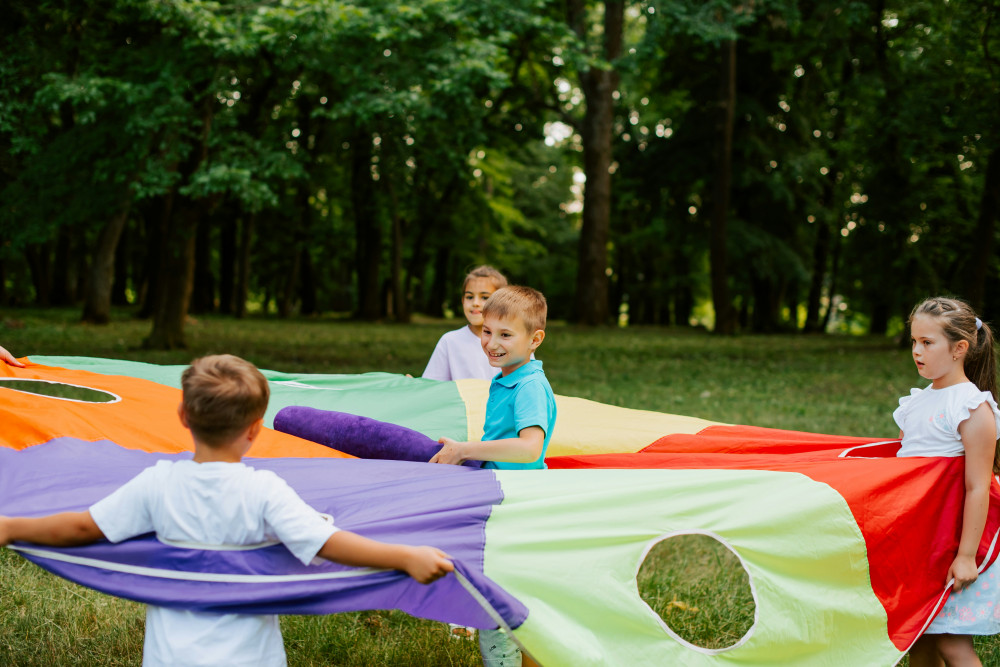
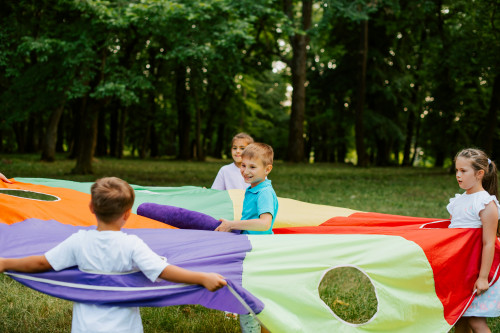
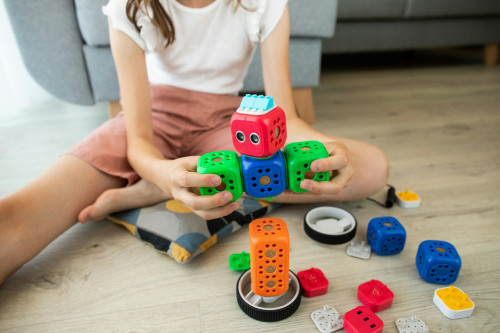
Toys that encourage group movement—like balls, parachutes, or building sets—help children experience the joy of teamwork. They also create opportunities for parents to join in, turning playtime into shared moments of fun and bonding.
Læs også:
Making Room for Movement Every Day
You don’t need a big backyard or fancy gear to bring more movement into daily life. Small changes can make a big difference:
- Set up a corner of the living room for safe tumbling or dancing.
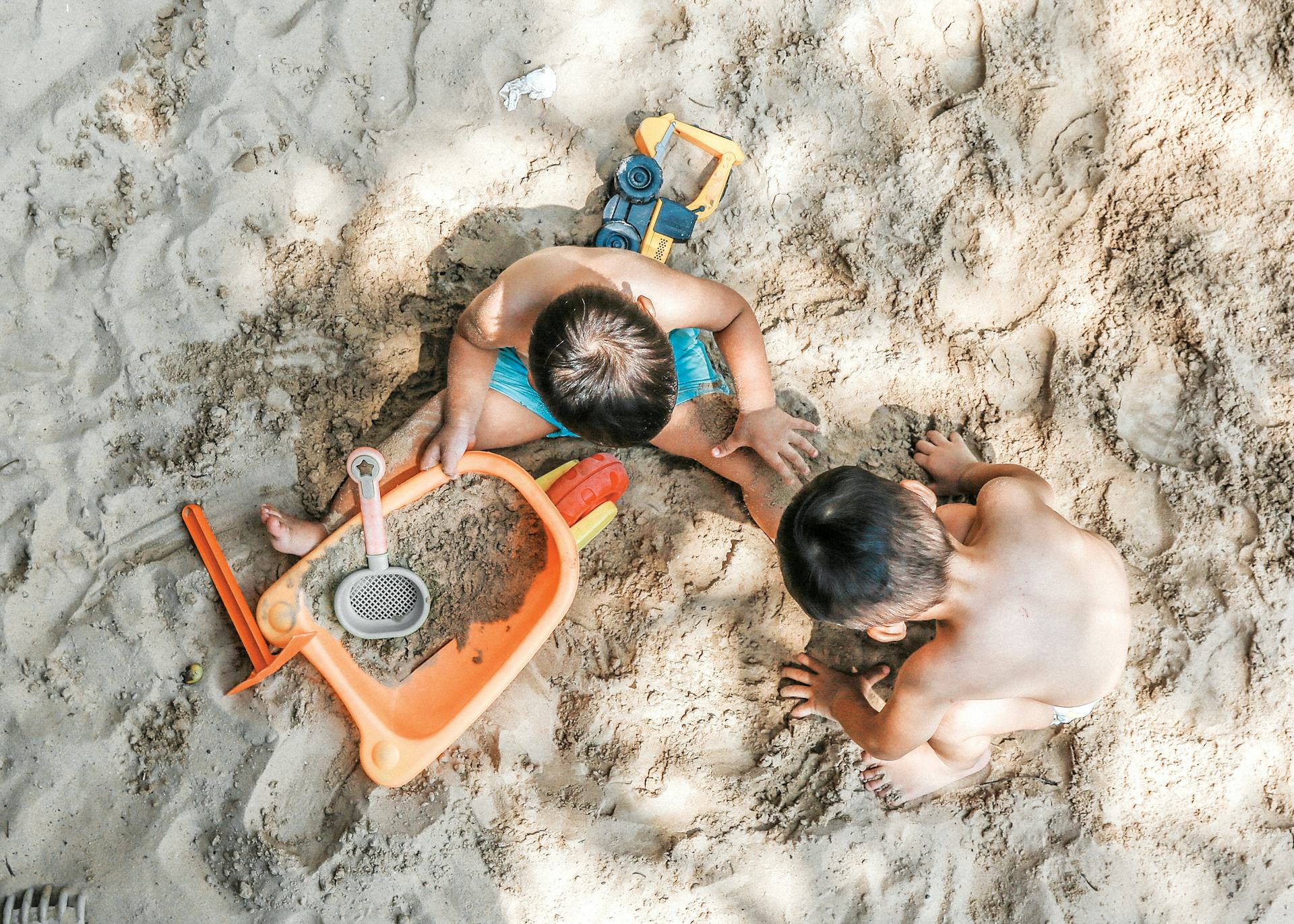
- Take toys outside—driveways, parks, and even small yards can become playgrounds.
- Add short “movement breaks” throughout the day for jumping, stretching, or balancing.
- Combine play and exercise—bike rides to the park, backyard obstacle courses, or scavenger hunts are great ways to stay active together.
When movement becomes a natural part of play, children build both physical strength and a lifelong love of being active.
Toys as a Bridge Between Play and Learning
Educators and child development experts agree that movement and learning go hand in hand. When children use their bodies, they engage multiple senses, which helps them understand and remember new concepts. Toys that combine physical activity with creativity or problem-solving can be especially valuable.
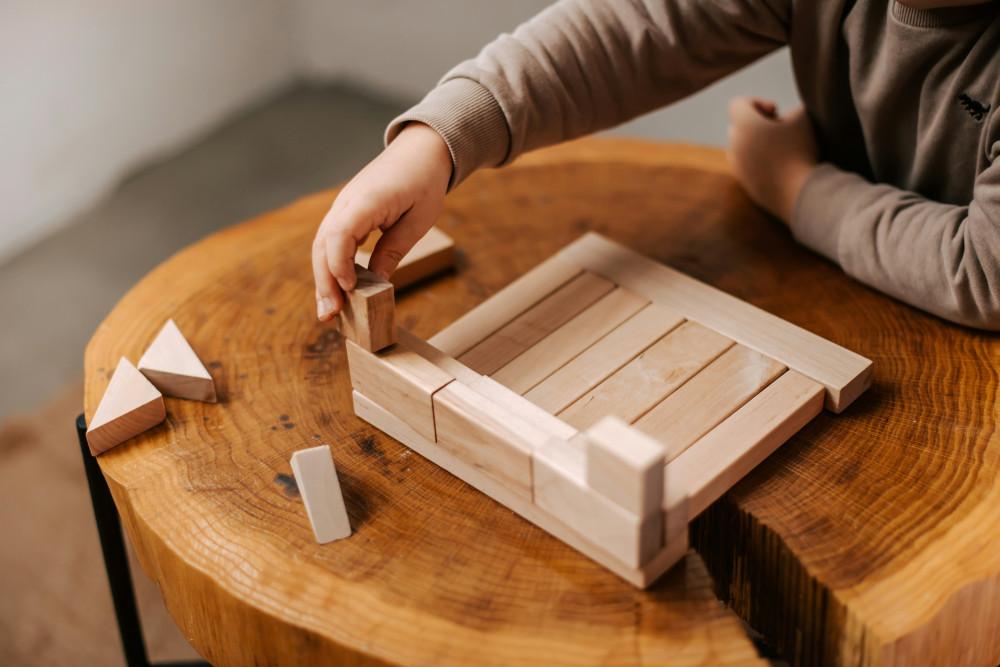
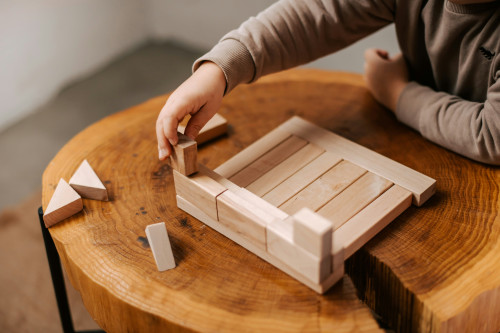
Building blocks, for example, require fine motor control and planning, while rhythm and movement games strengthen coordination and listening skills. In this way, toys become tools for whole-child learning—where body, senses, and mind work together.
Play as the Foundation for Healthy Growth
Movement through play supports not only physical health but also confidence and emotional well-being. When children master new movements, they gain a sense of accomplishment and self-belief. They learn to take small risks, overcome challenges, and find joy in using their bodies.
Parents can nurture this growth by allowing time for free play, encouraging active exploration, and choosing toys that inspire movement rather than passivity. It’s not about performance—it’s about expression, discovery, and the simple joy of being in motion.
Læs også: