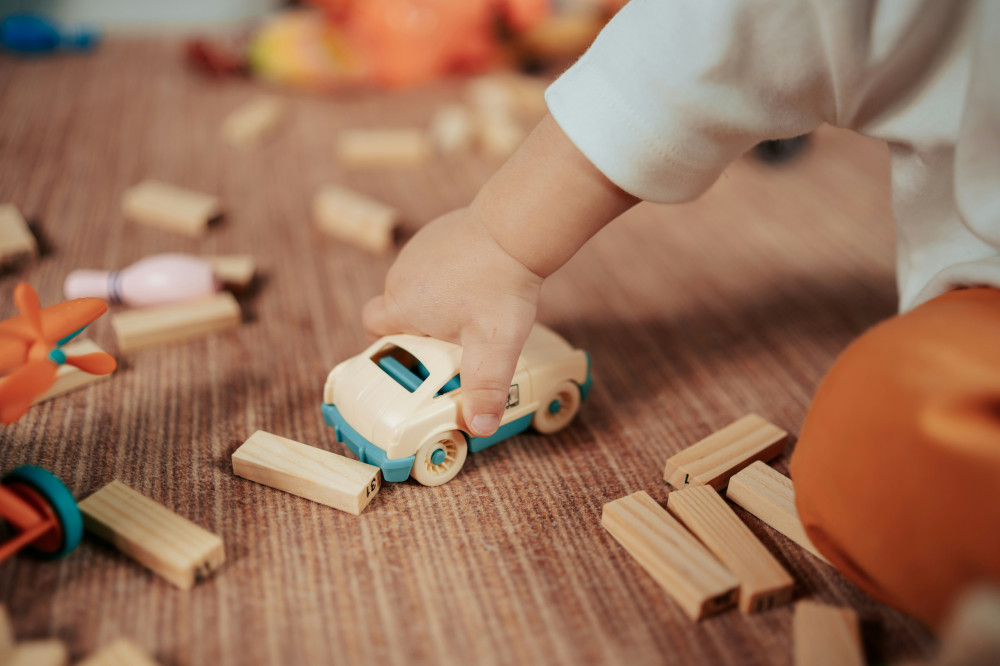
Indoor Play: When Children Create Their Own Little Worlds

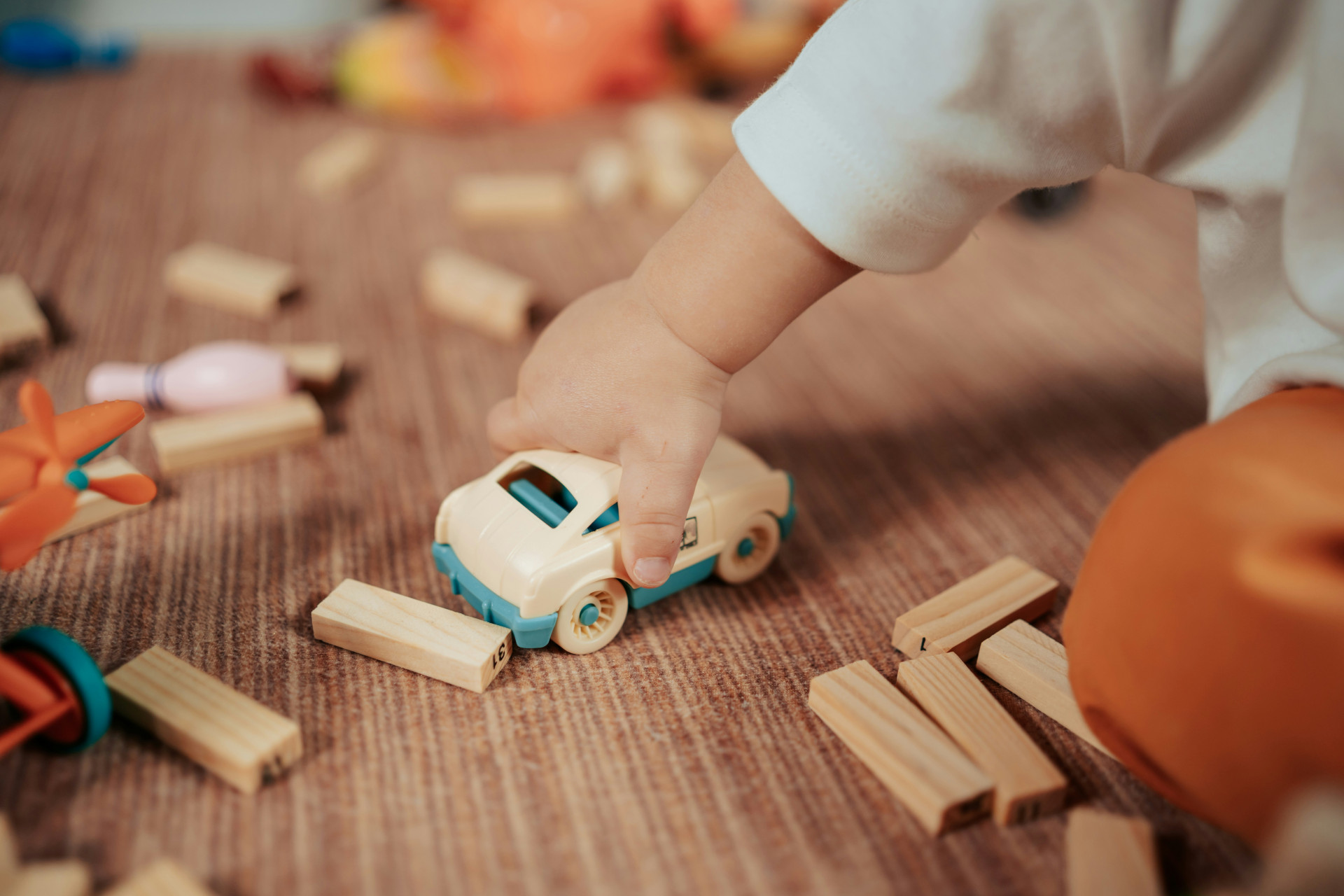
Indoor Play: When Children Create Their Own Little Worlds
When the weather turns cold or rainy, children naturally bring their play indoors. But even within four walls, imagination knows no limits. Indoor play isn’t just a way to pass the time—it’s a vital part of childhood development, where kids create, explore, and invent their own little worlds. Here’s a look at why indoor play matters and how parents can nurture it without taking over.
The Magic of Make-Believe
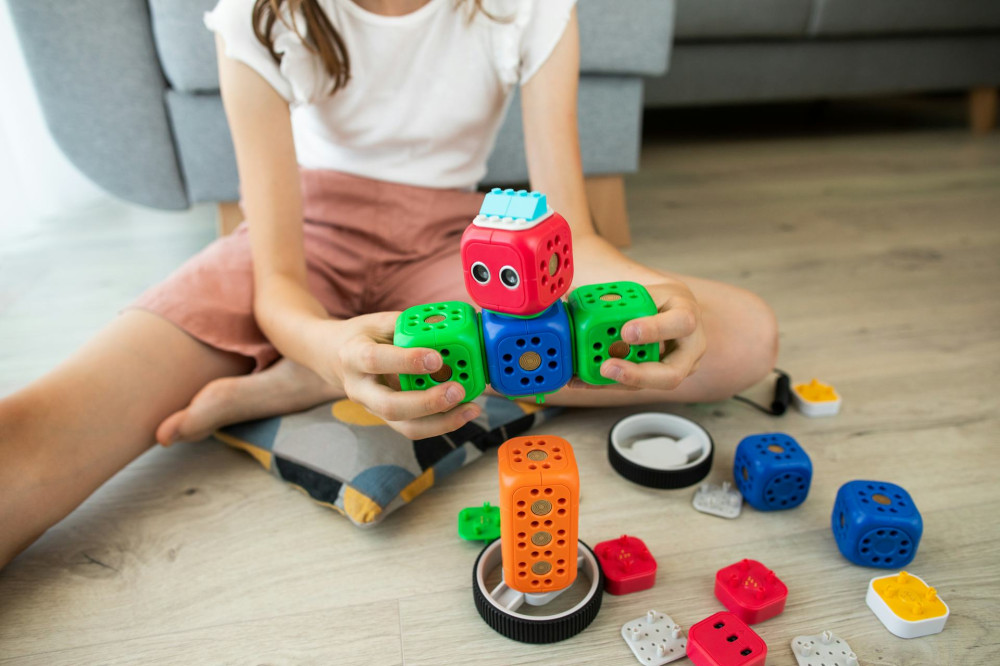
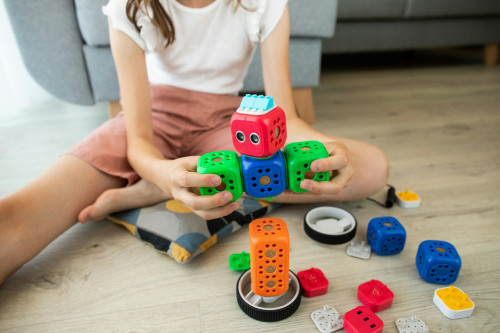
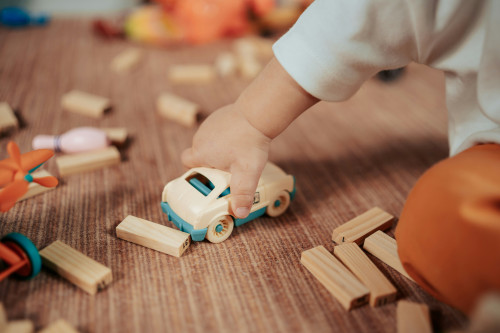
When children build blanket forts, turn the living room into a grocery store, or invent new games with blocks and figurines, they’re doing more than just playing—they’re creating entire universes. Through play, they experiment with roles, solve problems, and express emotions. It’s how they learn to cooperate, negotiate, and use their imagination—skills that reach far beyond childhood.
Indoor play also offers calm and focus. Without screens or structured activities, kids can lose themselves in their own stories and find joy in creating something from nothing. It’s a kind of creative freedom that many children today need more of.
Læs også:
Creating Spaces That Inspire
You don’t need a big playroom to make room for imagination. What matters most is that children feel free to use the space around them. A corner with pillows, a table for crafts, or a box of dress-up clothes can be enough to spark creativity.
- Embrace the mess. Play is rarely neat or organized, but creativity thrives in a bit of chaos.
- Use what you have. Cardboard boxes, old fabric, and kitchen utensils can become anything from rocket ships to restaurants.
- Rotate materials. Swapping out toys or adding new items—even small ones—can bring fresh energy to playtime.
When children feel they have permission to use their surroundings in their own way, their desire to play grows naturally.
The Parent–Child Connection
As adults, it can be tempting to direct the play or suggest what should happen next. But often, the best thing you can do is to be curious and follow your child’s lead. Ask what’s happening in their game, or join in on their terms—as a customer in their store, a patient in their doctor’s office, or a fellow traveler on their spaceship.
It’s not about making the play “right,” but about showing genuine interest. When children feel that their ideas are valued, it boosts their confidence and encourages them to keep exploring.
Learning Disguised as Fun
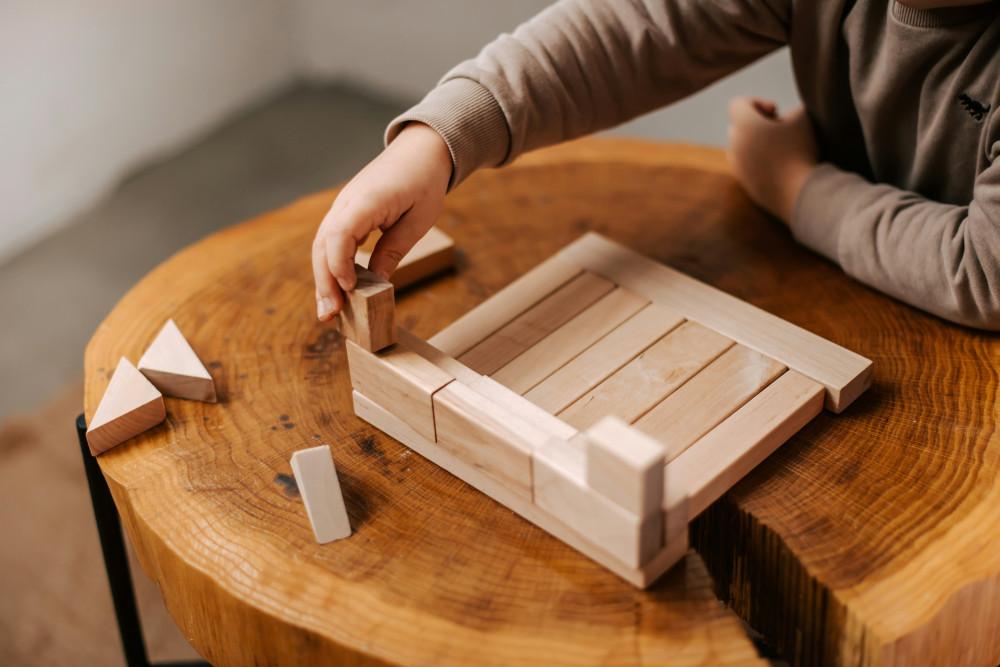
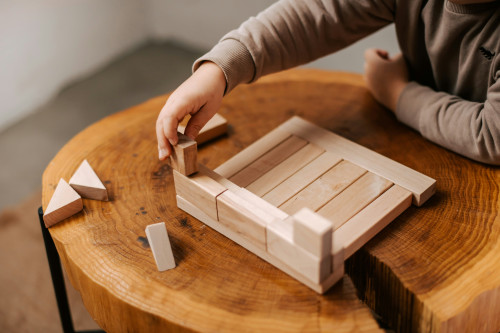
Indoor play is full of learning, even if it doesn’t look like schoolwork. When kids build towers, they’re practicing balance and spatial awareness. When they engage in pretend play, they’re developing language, empathy, and social skills. And when they make up rules for a game, they’re learning logic, fairness, and cooperation.
That’s the beauty of play—learning happens naturally because children are engaged and motivated. Parents can support this by asking open-ended questions like “How did you come up with that idea?” or “What happens next?” instead of correcting or explaining.
Play That Brings People Together
Indoor play can also strengthen family bonds. Building something together, playing a board game, or spending an afternoon crafting can create moments of connection and laughter—no elaborate plans required. The key is to let play stay play, not turn it into a performance.
For siblings, shared play is a chance to learn teamwork and patience. It takes time, but giving them space to figure out how to play together—and sometimes apart—helps them develop important social skills.
Give Play Time and Space
In busy family life, it’s easy to fill every hour with structured activities. But children need unplanned time too. Boredom often sparks the best ideas. When nothing is scheduled, imagination takes over—and suddenly the living room becomes a jungle or a castle.
Parents can help by creating routines that leave room for free play. It doesn’t take much—just time, calm, and trust that kids can come up with their own adventures.
Small Worlds, Big Meaning
Indoor play is more than a way to keep kids occupied. It’s how they make sense of the world, process experiences, and build confidence. When they build, imagine, and tell stories, they’re not just creating little worlds—they’re shaping who they are.
So next time you see a child deep in play on the living room floor, remember: it’s not just play. It’s creativity, learning, and joy in its purest form.
Læs også: