The Power of Nature: How Outdoor Living Promotes Children’s Physical and Mental Health

Discover how time spent outdoors strengthens children’s bodies, minds, and sense of well-being
Wellbeing
Wellbeing
7 min
Fresh air, open spaces, and unstructured play are more than just fun—they are essential for children’s healthy development. Learn how outdoor living supports physical growth, boosts mental health, and helps kids find balance in a digital world.
Journey Torres
Journey
Torres

The Power of Nature: How Outdoor Living Promotes Children’s Physical and Mental Health

Discover how time spent outdoors strengthens children’s bodies, minds, and sense of well-being
Wellbeing
Wellbeing
7 min
Fresh air, open spaces, and unstructured play are more than just fun—they are essential for children’s healthy development. Learn how outdoor living supports physical growth, boosts mental health, and helps kids find balance in a digital world.
Journey Torres
Journey
Torres

In an age when many children spend more time in front of screens than under open skies, the importance of nature for children’s well-being is becoming increasingly clear. Research shows that outdoor play not only strengthens the body but also nurtures the mind. When children move, explore, and play outside, they develop motor skills, focus, and emotional resilience. Nature, in other words, offers a space where health and learning grow side by side.

Nature as a Playground and a Classroom

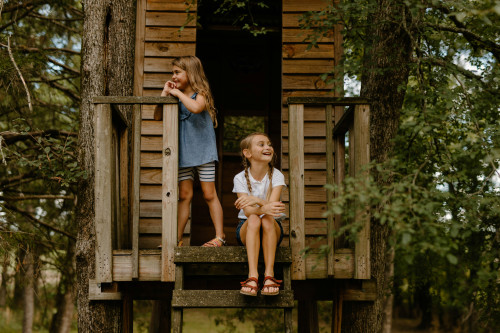
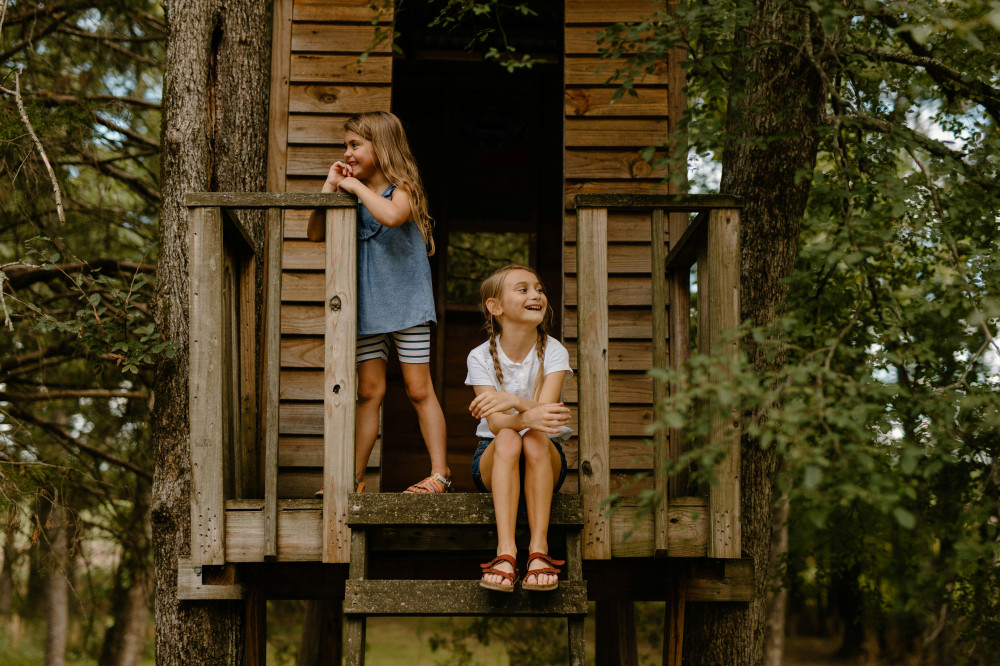
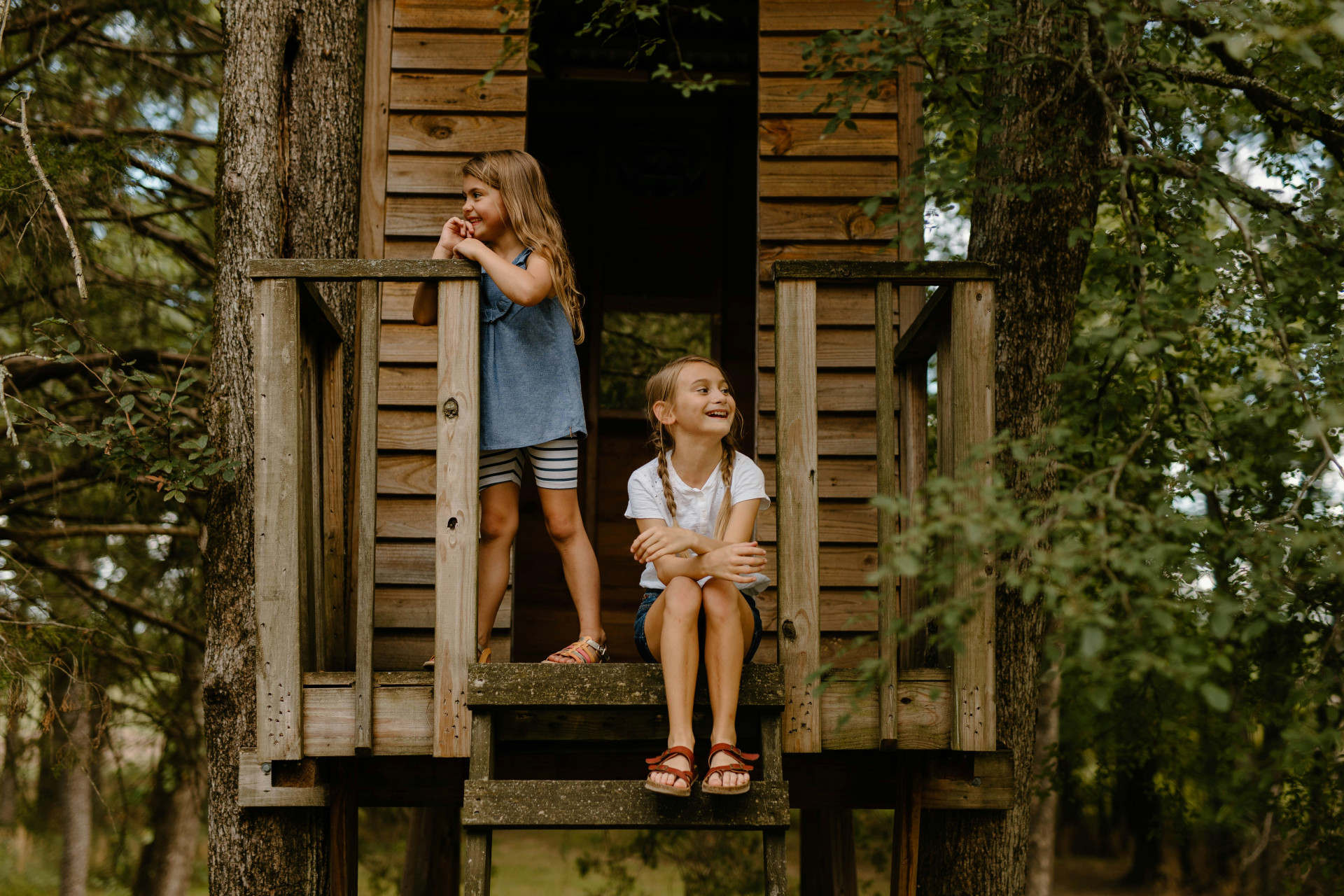
Outdoor living gives children the chance to use their bodies in ways that indoor play rarely allows. They climb, run, balance, and engage their senses fully. This kind of movement builds strength, coordination, and body awareness. At the same time, children learn to assess risk, take initiative, and cooperate—skills that extend far beyond the playground.

Many educators and parents notice that children who spend time outdoors become more independent and curious. Nature doesn’t demand performance; it invites discovery. A child who finds a frog by a pond or builds a fort in the woods experiences the joy of creating and understanding the world on their own terms.

Mental Health and Calm in the Green

Nature has a proven calming effect on the mind. Time spent in green spaces lowers stress levels, improves concentration, and increases feelings of well-being. For children who often live in busy, overstimulating environments, nature can serve as a mental refuge.

Studies in the U.S. and around the world show that children who regularly play outside are better at handling frustration and conflict. They tend to be more patient and empathetic—perhaps because nature teaches them to adapt to its rhythms. Rain, wind, and sunshine remind them that the world can’t always be controlled, but that joy can be found in the unpredictable.

Outdoor Time as a Balance to Screen Time

Screens are a natural part of modern childhood, but too much sedentary time can lead to both physical and emotional challenges. Outdoor play provides a vital balance. When children spend time outside, their senses are stimulated in ways that digital media can’t replicate—they feel the breeze, hear the birds, and smell the earth after rain.

This doesn’t mean screens should be banned, but that nature can serve as a healthy counterbalance. A walk in the park after school, a weekend camping trip, or simply playing in the backyard can give children’s bodies and minds the variety they need.

How Parents and Communities Can Encourage Outdoor Living

Bringing more nature into children’s daily lives doesn’t require major changes. Small steps can make a big difference:

  • Plan daily outdoor time – even 20 minutes outside can have a positive impact.
  • Use nature as a learning space – math, science, and reading can all be explored outdoors.
  • Ensure access to green areas – local parks, trails, or community gardens can become regular destinations.
  • Let kids get their hands dirty – gardening, building, and nature crafts foster responsibility and creativity.
  • Be a role model – children mirror adult behavior. When parents and teachers enjoy nature, kids are more likely to do the same.

An Investment in the Future

Giving children the chance to grow up connected to nature is an investment in their long-term health and happiness. Outdoor living helps create stronger, more confident, and more resilient children—both physically and mentally. It’s not about turning away from technology, but about restoring balance between the digital and the natural.

When children experience the power of nature, they also discover something essential about themselves: that they are part of a larger world, and that the outdoors holds endless opportunities for play, learning, and joy.

Meaningful Screen Time: How Digital Tools Support Children’s Learning in a Balanced Way
Discover how thoughtful use of technology can nurture children’s curiosity and learning
Wellbeing
Wellbeing
Digital Learning
Parenting
Education
Screen Time
Child Development
6 min
Digital devices are part of everyday life for today’s children, but not all screen time is created equal. Learn how parents and educators can turn tablets and computers into tools for exploration, creativity, and balanced learning—both at home and in the classroom.
Jake Freeman
Jake
Freeman
The Power of Nature: How Outdoor Living Promotes Children’s Physical and Mental Health
Discover how time spent outdoors strengthens children’s bodies, minds, and sense of well-being
Wellbeing
Wellbeing
Children
Outdoor Play
Mental Health
Parenting
Well-being
7 min
Fresh air, open spaces, and unstructured play are more than just fun—they are essential for children’s healthy development. Learn how outdoor living supports physical growth, boosts mental health, and helps kids find balance in a digital world.
Journey Torres
Journey
Torres
Sleep Your Way to Healthy Habits – Make Wellness a Family Experience
Discover how better sleep and shared routines can bring your family closer and boost everyone’s well-being
Wellbeing
Wellbeing
Family Wellness
Healthy Habits
Sleep
Mindfulness
Lifestyle
7 min
Turn wellness into a joyful family experience by focusing on rest, movement, mindfulness, and healthy habits together. Learn how small, consistent changes—starting with better sleep—can help your whole family feel more balanced and energized.
Ruby Reyes
Ruby
Reyes
Talk About Body and Weight with Care: How to Create a Healthy Language at Home
Build confidence and kindness through the words you use about bodies and health at home
Wellbeing
Wellbeing
Parenting
Body Image
Family Health
Communication
Mental Wellbeing
4 min
The language we use around body and weight can shape how children feel about themselves. Learn how to talk about health, food, and appearance in ways that promote self-esteem, respect, and a positive body image for the whole family.
Rylan Richardson
Rylan
Richardson
Strengthen Your Child’s Resilience – Create a Safe and Supportive Environment at Home and in Childcare
Help your child grow stronger by nurturing confidence, security, and emotional balance
Wellbeing
Wellbeing
Parenting
Child Development
Resilience
Early Education
Family Support
7 min
Discover how to build your child’s resilience through everyday support, open communication, and a stable environment. Learn practical ways parents and caregivers can create a sense of safety and belonging—both at home and in childcare.
Kennedy Thomas
Kennedy
Thomas
Professional Pedagogy in Transition: How to Keep Up with Developments Without Losing Direction
Navigating rapid change in education while staying true to your professional values
Children
Children
Education
Professional Development
Pedagogy
Teaching
Innovation
6 min
The educational landscape is evolving faster than ever, challenging teachers and educators to adapt without losing their sense of purpose. Discover how to balance innovation with reflection, use digital tools wisely, and strengthen your professional identity in times of transformation.
Jake Freeman
Jake
Freeman