Strengthen Your Child’s Resilience – Create a Safe and Supportive Environment at Home and in Childcare

Strengthen Your Child’s Resilience – Create a Safe and Supportive Environment at Home and in Childcare
Children face many challenges in their everyday lives – from small disagreements with friends to bigger transitions like starting school or moving to a new neighborhood. The ability to handle setbacks and bounce back is called resilience. It doesn’t develop automatically, but grows in safe, supportive environments where children feel seen, heard, and valued. Here’s how parents and caregivers can help strengthen a child’s resilience – both at home and in childcare settings.
What Is Resilience?
Resilience isn’t about avoiding problems; it’s about learning to cope with them. A resilient child is willing to try new things, can ask for help, and recovers when something goes wrong. It’s a combination of inner strength and external support – and both can be nurtured.
Research in child development shows that stable, caring relationships with adults are key to resilience. It’s not the number of challenges a child faces that matters most, but the quality of the relationships that surround them.
Safety and Stability as the Foundation
A sense of safety is the foundation for all learning and growth. When children feel secure, they are more willing to explore, take risks, and learn from mistakes. Safety is built through consistency, presence, and clear boundaries.
- Be consistent and calm. Children need to know what to expect. Predictable routines and steady reactions help them feel secure.
- Show genuine interest in their experiences. Ask about their day and listen without interrupting.
- Acknowledge feelings. Instead of saying “You’re fine,” try “I can see that made you upset.” This teaches children that emotions are normal and manageable.
The Home Environment: Building Independence Step by Step
Home is a child’s first training ground for resilience. Parents can support their child by encouraging small steps toward independence and problem-solving.
- Let your child try things on their own. Whether it’s getting dressed, pouring milk, or resolving a disagreement with a sibling, these small challenges build confidence.
- Praise effort, not just results. When you highlight that your child kept trying even when it was hard, they learn that mistakes are part of learning.
- Talk about experiences. Reflect together on what went well and what was difficult. This helps children develop self-awareness and problem-solving skills.
Small successes in daily life build confidence and help children believe they can handle bigger challenges in the future.
The Role of Childcare and Early Education: Community and Support
In childcare centers and preschools, teachers and caregivers play a vital role in fostering resilience. These environments teach children how to cooperate, manage emotions, and adapt to change.
- Create an inclusive environment. When children feel accepted for who they are, they’re more likely to express vulnerability and seek help when needed.
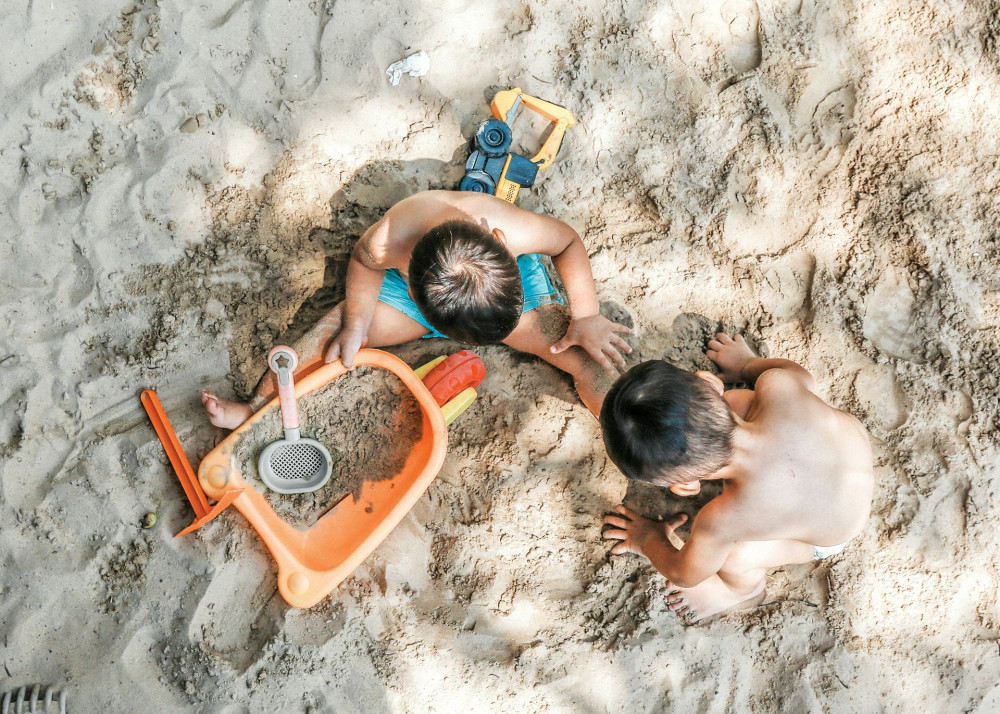
- Use play as a learning tool. Through play, children practice negotiation, teamwork, and emotional regulation.
- Be a steady, caring presence. A calm, empathetic adult can make all the difference when a child feels overwhelmed.
Strong communication between home and childcare helps children experience consistency and support across all areas of their lives.
Læs også:



When Life Gets Tough – How to Help
Every child will face difficult times: illness, family changes, bullying, or loss. During these moments, the adults around them play a crucial role in providing stability and comfort.
- Keep routines as normal as possible. Familiar patterns bring a sense of safety during uncertainty.
- Talk openly about what’s happening. Children sense when something is wrong. Honest, age-appropriate explanations help them feel secure.
- Reach out for support. Teachers, pediatricians, or family counselors can offer guidance and connect you with additional resources if needed.
Showing your child that they are not alone is one of the most powerful ways to build resilience.
A Shared Responsibility
Building resilience in children is a shared effort among parents, caregivers, educators, and communities. It’s not about making children tough, but about giving them the tools to understand and manage life’s ups and downs.
When children grow up in environments filled with trust, empathy, and stability, they develop a strong foundation for the future. They learn that challenges can be overcome and that caring adults will be there to help them along the way. That sense of safety and connection is one of the greatest gifts we can give our children – today and for the years to come.
Læs også: