Extracurricular Activities That Empower Boys: Community, Role Models, and Confidence


Extracurricular Activities That Empower Boys: Community, Role Models, and Confidence
Extracurricular activities play a vital role in the growth and well-being of many boys. They offer a space to explore interests, build friendships, and connect with adults who can inspire and guide them. In an age when screens often compete for attention and unstructured time is shrinking, after-school and weekend programs can provide a crucial foundation for personal development. But what exactly makes these activities so meaningful for boys—and how can parents, schools, and communities help support them?
Community as a Foundation
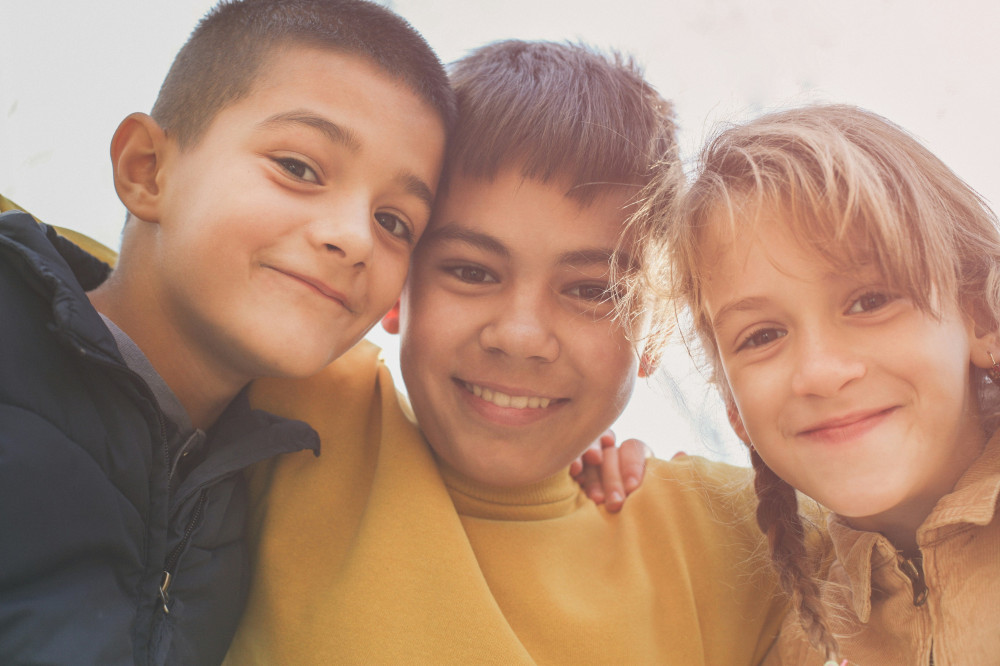
For many boys, the sense of belonging is what draws them to extracurricular activities. Whether it’s basketball, robotics, scouting, or a local music group, being part of a team or club gives them a place to connect and contribute. Within these communities, boys learn to cooperate, take responsibility, and handle both success and disappointment.
When boys experience that their efforts matter to the group, they develop empathy and social awareness. They learn to read others’ emotions, offer support, and find their own role within a larger whole. These lessons extend far beyond the activity itself—they help boys navigate school, friendships, and future workplaces with confidence and compassion.
Role Models Who Show the Way
A key part of any extracurricular experience is the presence of strong, positive role models. Coaches, mentors, and program leaders can have a lasting impact on how boys see themselves and the world around them. A caring adult who listens, sets fair expectations, and believes in a boy’s potential can make all the difference.
Good role models demonstrate that strength isn’t just about winning—it’s about fairness, perseverance, and respect. They help boys balance competition with teamwork and show that mistakes are part of learning, not signs of failure. Parents can play an important role by getting to know the adults who lead their sons’ activities and ensuring those environments are supportive and inclusive.
Læs også:



Confidence Through Mastery
Confidence grows when boys have the chance to master something—whether it’s scoring a goal, coding a game, or performing a song. The sense of accomplishment that comes from effort and persistence builds self-esteem and resilience.
Extracurricular activities provide a space to experiment and take risks without the pressure of grades or formal evaluation. Boys can learn that progress often comes through trial and error, and that setbacks are opportunities to improve. This mindset helps them approach new challenges in school and life with courage and curiosity.
Activities for Every Boy
There’s no single activity that fits every boy. Some thrive in the energy of team sports, while others prefer the focus of individual pursuits like martial arts, art, or hiking. What matters most is that the activity feels meaningful and that the boy feels seen and valued.
Parents and educators can support boys by exposing them to a variety of options and letting them take part in the decision-making process. When boys have a say in what they do, they’re more likely to stay engaged and benefit from the experience over time.
Extracurricular Life as a Protective Factor
Research in the U.S. consistently shows that young people who participate in extracurricular programs tend to have stronger social networks, higher self-esteem, and lower rates of risky behavior. For boys who may struggle to find their footing in academic settings, these activities can offer a safe space to succeed and be recognized for their strengths.
That’s why it’s essential that all boys—regardless of background—have access to meaningful extracurricular opportunities. Schools, community centers, and local organizations can help by keeping programs affordable, inclusive, and accessible through transportation and outreach efforts.
An Investment in the Future
When boys are given the chance to participate in activities that foster community, provide positive role models, and build confidence, the benefits extend far beyond childhood. These experiences help shape empathetic, responsible, and engaged young men who contribute positively to their communities.
Extracurricular life isn’t just a way to fill free time—it’s a powerful space for growth and connection. Through it, boys learn what it means to be part of something bigger than themselves, to take responsibility, and to believe in their own potential. Those are lessons that last a lifetime.
Læs også: