Boy Friendships in Preschool – How the First Friendships and Play Styles Develop

Boy Friendships in Preschool – How the First Friendships and Play Styles Develop
When boys start preschool, a new world of relationships, play, and social learning opens up. It’s often here that the first real friendships take shape—and where children begin to understand what it means to be part of a group. For boys, these early friendships can have a special dynamic, often marked by physical play, competition, and shared imagination. But behind the rough-and-tumble games lie important steps in developing empathy, cooperation, and emotional understanding.
The First Friendships – From Parallel Play to Shared Adventures
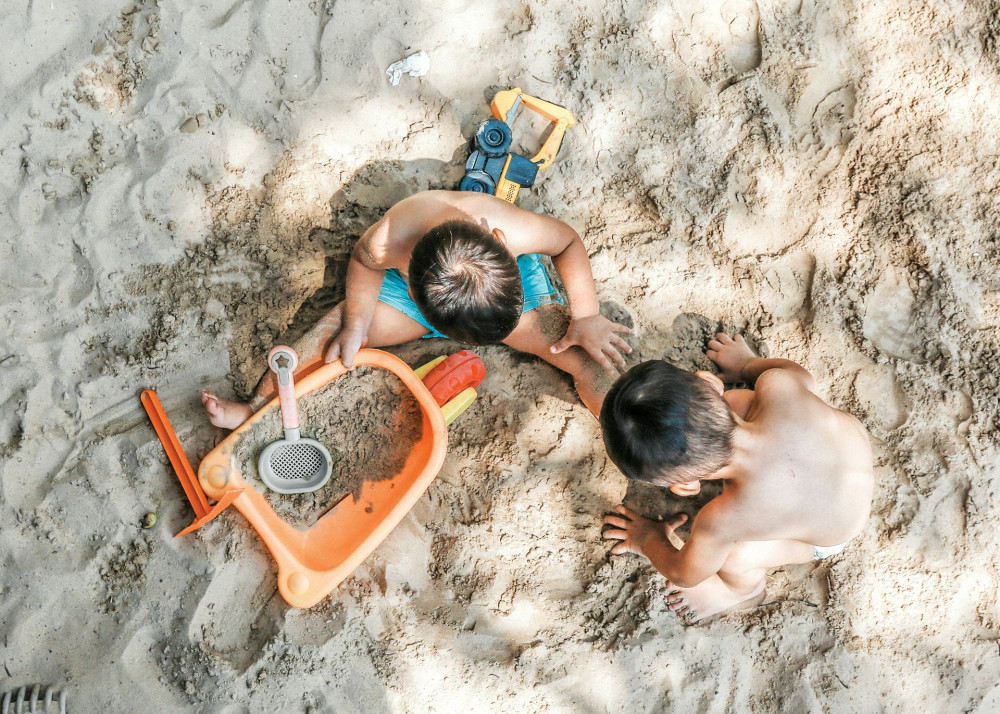
In the early preschool years, many children play side by side without much direct interaction. This “parallel play” is an important stage on the way to true cooperative play. For boys, the transition often happens through activities that allow them to share a common focus—building with blocks, racing cars, or pretending to be superheroes.
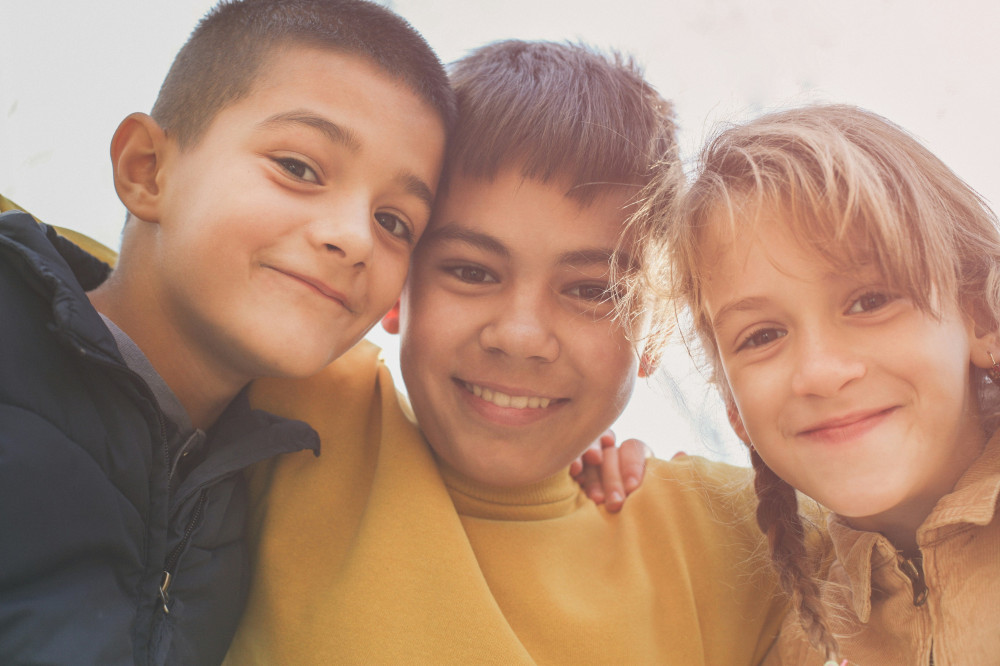
Around ages four to five, many boys begin forming more stable friendships. They gravitate toward peers who share their interests and energy levels. These friendships become a safe space where they can test roles, negotiate rules, and learn to handle disagreements. It’s in these moments that early lessons in loyalty, teamwork, and forgiveness begin to take root.
The Role of Play in Boys’ Social Development
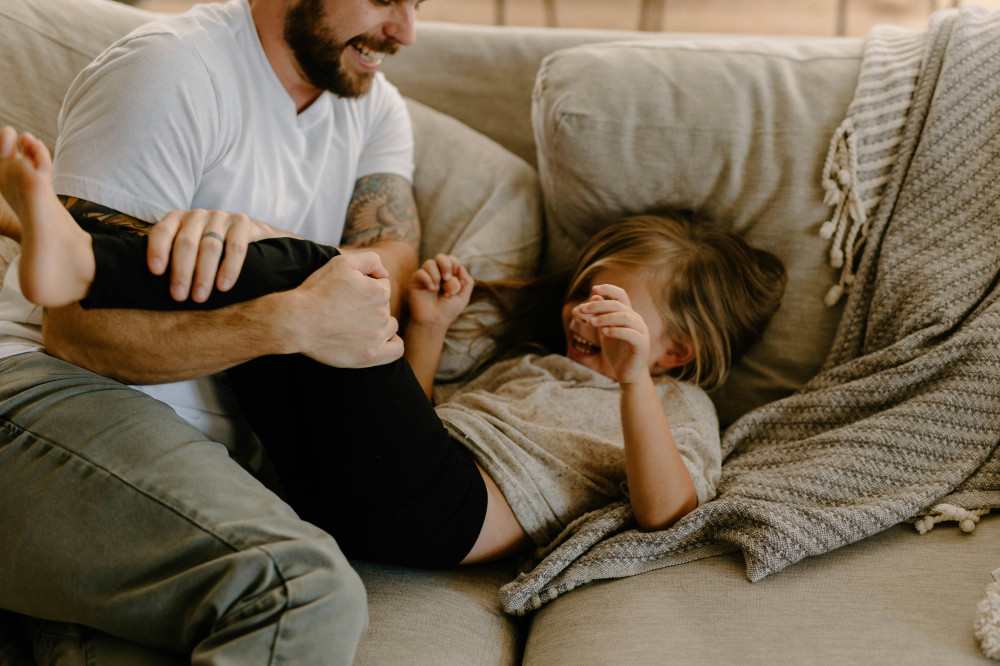
Play is children’s most natural way of learning—and for many boys, it’s often active and physical. Games like tag, wrestling, or chase may look chaotic from the outside, but they carry important social lessons. Through physical play, boys learn to read each other’s signals, respect boundaries, and recognize when play has gone too far.
At the same time, they practice regulating their energy and emotions. When a game becomes too intense and someone walks away, boys get the chance to repair the connection—a valuable early form of conflict resolution that will serve them well later in life.
Friendships That Build Confidence and Identity
For many boys, preschool friendships act as a mirror, helping them discover who they are and how they fit into a group. Having a best friend can provide comfort and a sense of belonging. At the same time, boys learn that friendship requires effort—sharing, taking turns, and showing kindness.
Some boys prefer close one-on-one friendships, while others thrive in larger, more fluid groups. Both patterns are natural ways of exploring social roles. What matters most is that each child feels accepted and has opportunities to participate in the group on his own terms.
When Conflicts Become Part of the Play
Conflicts are inevitable in preschool—especially when energetic boys with strong opinions come together. But disagreements aren’t necessarily negative. They give children a chance to practice negotiation, assert themselves, and find solutions. Teachers and caregivers play a key role here: helping boys put feelings into words and understand each other’s perspectives.
By supporting boys in solving conflicts rather than stepping in too quickly, adults teach them that disagreements don’t have to end a friendship. In fact, working through a conflict can strengthen the bond when they realize they can reconnect afterward.
The Teacher’s Role in Social Learning
Preschool teachers and caregivers are essential in creating an environment where boys’ play styles and relationships can unfold safely. That means allowing space for active, physical play while also supporting boys who may need help joining in or expressing emotions.
Teachers can intentionally highlight positive social moments: “I noticed you shared your truck,” or “That was kind of you to ask him to play.” Simple comments like these help boys understand what builds friendships and give them language for social interaction.
Læs også:


How Parents Can Support Early Friendships
Parents can do a lot to nurture their son’s social development. Invite classmates over for playdates, and allow time for both active play and quiet breaks. Talk with your child about preschool—who he plays with, what games they enjoy, and how he feels in the group. If conflicts arise, help him put words to what happened and think about how to handle it next time.
The key is to show interest without taking over. Preschool friendships are part of a child’s own world, but with gentle support from adults, boys gain the confidence to explore it.
Early Friendships Leave Lasting Imprints
The friendships boys form in preschool may seem fleeting, but they lay the groundwork for later social skills. Through play, cooperation, and even small conflicts, boys learn to understand themselves and others—and that friendship requires courage, empathy, and humor.
When adults give space for boys’ unique ways of playing and connecting, they help them grow into well-rounded individuals—full of energy, emotion, and social awareness.
Læs også: