Baby Carrier Guide: Find the Type That Fits You Best


Baby Carrier Guide: Find the Type That Fits You Best
A baby carrier can be a lifesaver in everyday life with a little one. It lets you keep your baby close while freeing up your hands — perfect for walks, chores, or simply soothing a fussy infant. But with so many options on the market, it can be hard to know which type fits your needs best. Here’s a guide to the most common types of baby carriers and what to consider before choosing one.
Why Choose a Baby Carrier?
Carrying your baby close has many benefits. For your baby, it provides warmth, comfort, and a sense of security that mimics the closeness of the womb. For you, it means mobility and the ability to get things done while keeping your baby calm and content.
A carrier can also be a great alternative when a stroller isn’t practical — for example, on hiking trails, in crowded places, or when navigating public transportation. Plus, it can help reduce strain on your arms and back as your baby grows heavier.
The Most Common Types of Baby Carriers
There are many variations, but most baby carriers fall into four main categories. Each has its own advantages and drawbacks, depending on your baby’s age and your lifestyle.
1. Stretchy Wrap – Perfect for Newborns
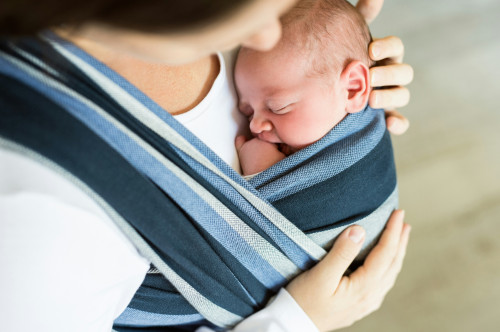
A stretchy wrap is made from soft, elastic fabric that you wrap around your body. It provides a snug, ergonomic hold for newborns and small babies. The wrap supports your baby’s natural, rounded posture and distributes weight evenly across your shoulders and back.
The downside is that it takes a bit of practice to tie correctly, and it’s usually best suited for the first few months before your baby gets too heavy.
2. Woven Wrap – Supportive and Versatile
A woven wrap looks similar to a stretchy wrap but is made from non-elastic woven fabric. This makes it more supportive and suitable from birth through toddlerhood. You can wear it on your front, hip, or back, and it offers excellent weight distribution.
However, it does require some learning to master the wrapping techniques, and some parents prefer a quicker option for busy days.
3. Mei Tai – A Hybrid Between Wrap and Carrier
A Mei Tai (also called Meh Dai) features a square panel of fabric with four straps that tie around your body. It combines the adjustability of a wrap with the simplicity of a structured carrier. Many models can be used from infancy (with an insert) up to about 35 pounds.
It’s easy to adjust and often feels more natural than a fully structured carrier, though it may offer less padding than modern ergonomic designs.
4. Soft Structured Carrier – Quick and Convenient
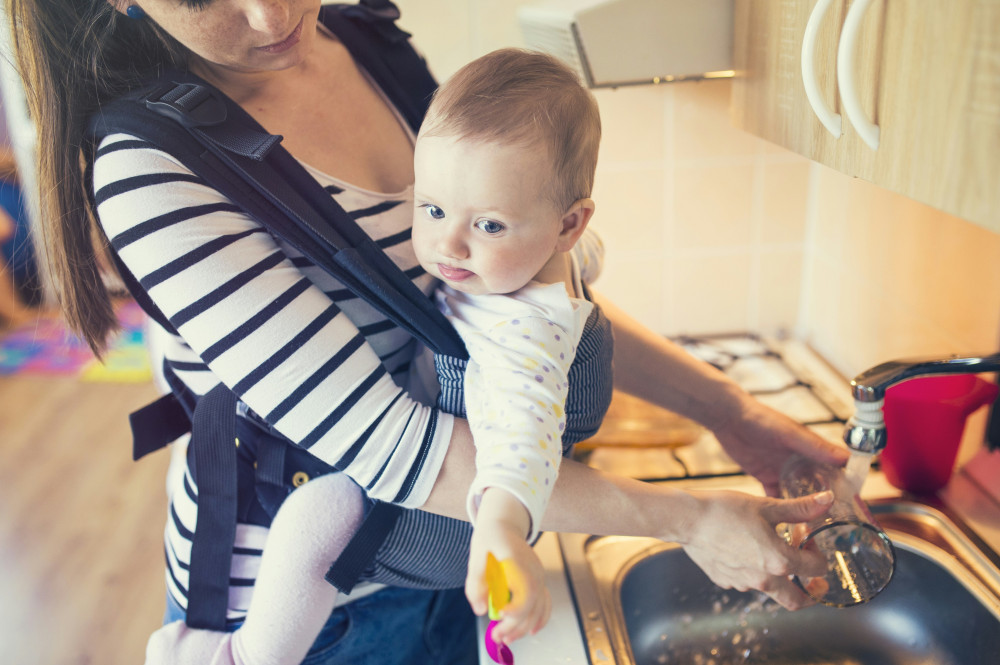
The soft structured carrier (SSC) is one of the most popular choices among U.S. parents. It features buckles and adjustable straps, making it quick to put on and take off. The best models support your baby’s hips in the recommended “M-position,” where the knees are higher than the bottom — important for healthy hip development.
This type is ideal for parents who want a fast, easy solution and the flexibility to carry their baby on the front or back. Some models can feel warm in hot weather, and not all fit every body type perfectly, so trying before buying is a good idea.
Læs også:


What to Consider Before Choosing
When selecting a baby carrier, keep these factors in mind:
- Your baby’s age and weight – Some carriers are designed only for newborns, while others can be used well into toddlerhood.
- Comfort for the wearer – Try the carrier if possible. It should fit snugly but not tightly, with even weight distribution.
- Ergonomics for the baby – Your baby’s back should be supported in a natural curve, and the legs should be supported from knee to knee.
- Ease of use – Consider how quickly you can put it on and take it off, especially if you’ll often be alone.
- Material and breathability – Choose a breathable fabric, especially if you live in a warm climate or plan to babywear outdoors.
You might want to visit a baby store that offers carrier fittings or attend a local babywearing group to try different styles and get expert advice.
Safe Babywearing Tips
No matter which type you choose, safety always comes first. Follow the manufacturer’s instructions and remember these key principles:
- Your baby’s face should always be visible and free from fabric.
- Keep your baby close enough to kiss.
- Make sure your baby’s chin is off their chest and airways are clear.
- Support your baby’s back and hips properly.
If you’re unsure, consult a certified babywearing educator — a small adjustment can make a big difference in comfort and safety.
The Right Carrier for Your Life
There’s no single “perfect” baby carrier that fits everyone. Some families love wraps for their closeness and flexibility, while others prefer the convenience of a buckle carrier. The most important thing is that both you and your baby feel comfortable and secure.
With the right carrier, you’ll enjoy freedom in your daily life, closeness with your baby, and the ability to move through your day — hands-free and heart full.
Læs også: