Baby Carrier Choices Made Easy – What to Consider Before Buying


Baby Carrier Choices Made Easy – What to Consider Before Buying
A baby carrier is one of the most practical and comforting items you can buy as a new parent. It keeps your baby close, your hands free, and your daily routine more manageable. But with so many styles, materials, and features available, choosing the right one can feel overwhelming. Here’s a guide to help you understand what to look for before buying a baby carrier that fits your lifestyle and your baby’s needs.
Why Use a Baby Carrier?
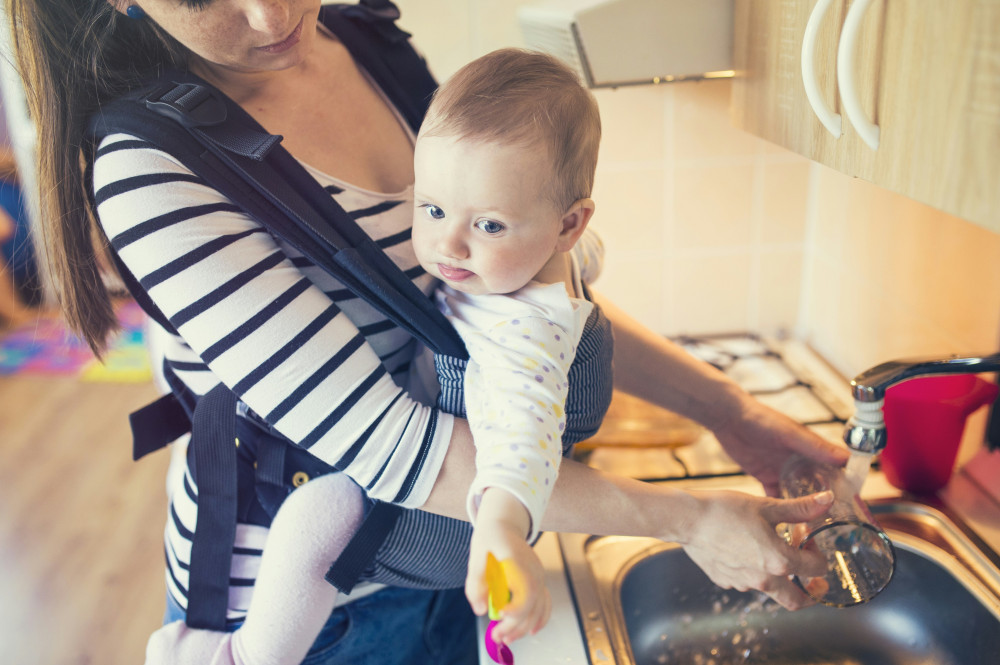
Babywearing has become increasingly popular in the U.S. for good reason. It promotes bonding, helps soothe fussy babies, and allows parents to move around freely—whether you’re doing chores, running errands, or exploring the outdoors. Carriers can be used from the newborn stage through toddlerhood, depending on the model and weight limits.
Keeping your baby close also supports emotional development and can make breastfeeding on the go easier. For many parents, a carrier becomes an essential part of everyday life.
Types of Baby Carriers
There are several main types of carriers, each with its own advantages:
- Wraps – Long pieces of fabric that you tie around your body. They offer a snug, customizable fit, especially for newborns, but can take practice to master.
- Ring slings – A single piece of fabric threaded through rings, worn over one shoulder. They’re quick to put on and great for short trips or around the house.
- Soft structured carriers (SSCs) – These have padded shoulder straps and buckles for easy adjustment. They provide excellent support and are ideal for longer outings.
- Mei tais and hybrid carriers – A mix between wraps and structured carriers, offering both flexibility and support.
Your choice will depend on your comfort level, your baby’s age, and how you plan to use the carrier day to day.
Læs også:



Comfort and Fit
Comfort is key—for both you and your baby. Look for a carrier that distributes weight evenly across your shoulders and hips to prevent strain. Adjustable straps and waistbands help ensure a secure fit for different body types.
For your baby, the carrier should support a natural “M” position, with knees higher than the hips and the spine gently curved. This position promotes healthy hip development and reduces pressure on the baby’s joints.
If possible, try on different carriers before buying. Many baby stores and parenting groups in the U.S. offer carrier “libraries” where you can test various models.
Materials and Breathability
Babies have sensitive skin, so the fabric choice matters. Opt for soft, breathable materials like cotton, linen, or bamboo blends—especially if you live in a warm climate. For colder regions, you might prefer a carrier with thicker padding or a removable cover.
Some carriers come with mesh panels for better airflow, which can be a lifesaver during summer walks. Always check that the fabric is easy to clean—machine-washable options make life much simpler.
Safety First
Safety should always come first. Make sure the carrier meets current U.S. safety standards, such as those set by the Consumer Product Safety Commission (CPSC) and ASTM International. Follow the manufacturer’s weight and age guidelines carefully.
When using the carrier, remember the T.I.C.K.S. rule for safe babywearing:
- Tight – The carrier should hold your baby snugly against you.
- In view at all times – You should always be able to see your baby’s face.
- Close enough to kiss – Your baby’s head should be close enough for you to kiss easily.
- Keep chin off chest – Ensure your baby’s airway stays clear.
- Supported back – The baby’s back should be supported in a natural position.
Avoid carriers with loose straps, broken buckles, or any signs of wear that could compromise safety.
Practical Features to Look For
Small details can make a big difference in everyday use. Consider:
- Adjustable straps and waistbands for multiple caregivers.
- Pockets for keys, pacifiers, or your phone.
- Hood or sunshade for naps or outdoor protection.
- Front, back, and hip carry options for flexibility as your baby grows.
- Easy cleaning – removable, washable covers are a plus.
If you plan to travel or hike, look for carriers designed for active use, with extra lumbar support and breathable materials.
Price and Quality
Baby carriers range widely in price—from under $50 to over $200. A higher price doesn’t always mean better quality, but investing in a well-made, ergonomic carrier can pay off in comfort and durability. Check reviews from other parents and look for reputable brands known for safety and support.
If you’re on a budget, consider buying secondhand—but always inspect the carrier carefully for wear and confirm that it meets current safety standards.
Finding the Right Carrier for You
Before making your final choice:
- Try on different styles to see what feels most comfortable.
- Think about your daily routine—do you need something quick and easy, or supportive for long walks?
- Consider who else will use the carrier and whether it needs to adjust easily between users.
The best baby carrier is the one that fits your body, supports your baby safely, and makes your life easier. With the right choice, you’ll enjoy the closeness and convenience that babywearing brings—every step of the way.
Læs også: