Soft, Comfortable, and Irritation-Free: How to Choose Baby Clothes That Are Gentle on Sensitive Skin

Soft, Comfortable, and Irritation-Free: How to Choose Baby Clothes That Are Gentle on Sensitive Skin
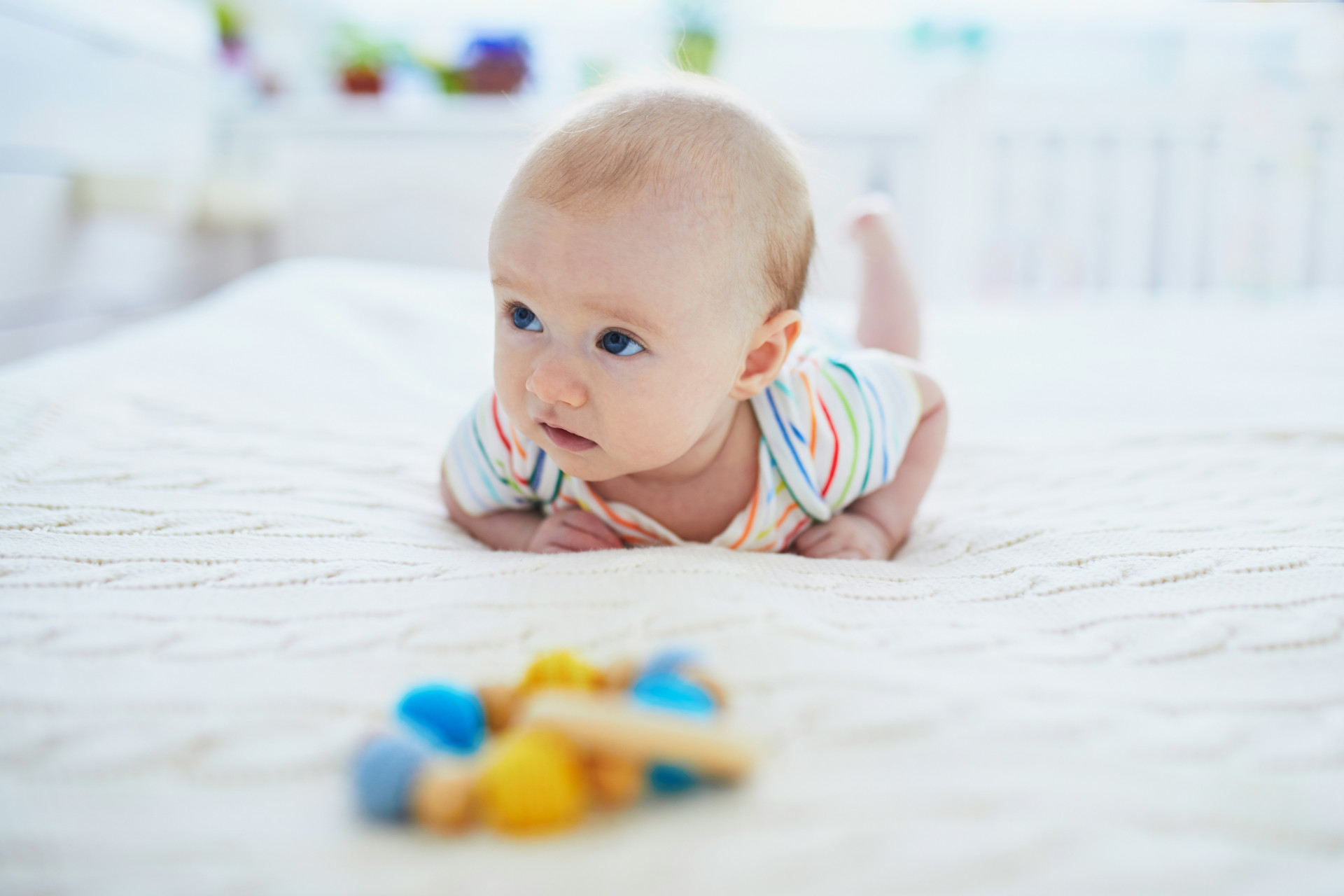
A baby’s skin is thinner, more delicate, and far more prone to irritation than an adult’s. That’s why choosing baby clothes isn’t just about cute patterns or trendy colors—it’s about comfort, safety, and care. The right clothing should be soft, breathable, and free from harsh chemicals so your little one can move freely and feel good all day long. Here’s how to pick baby clothes that are truly gentle on sensitive skin.
Understanding Your Baby’s Delicate Skin
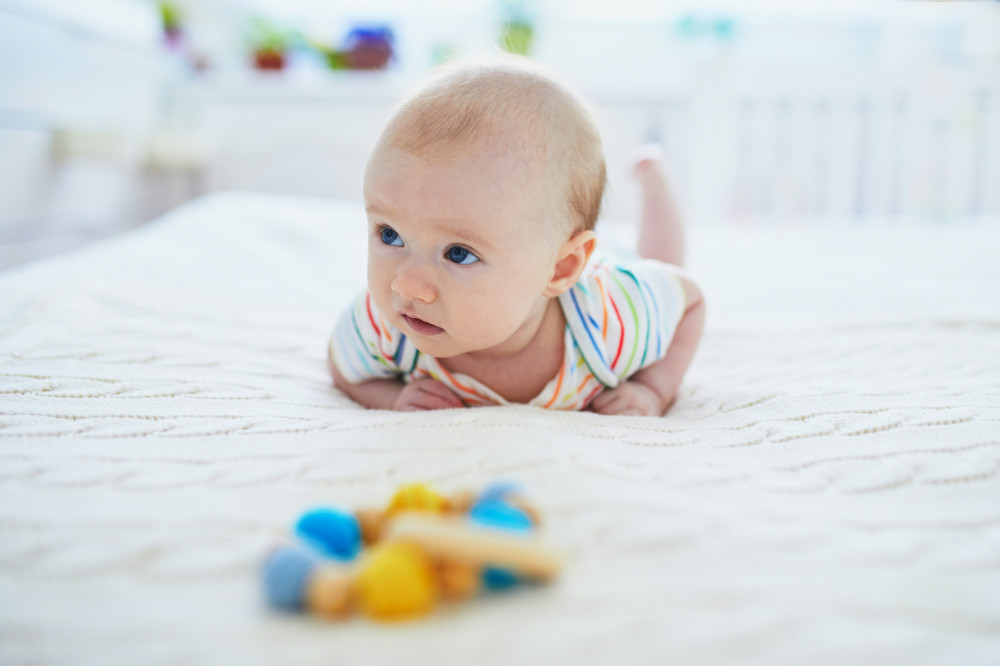
A newborn’s skin is up to five times thinner than an adult’s, which means it loses moisture more easily and reacts faster to heat, friction, and chemicals. Because of this, the fabrics you choose play a big role in keeping your baby comfortable and rash-free.
Avoid synthetic materials that trap heat and moisture, and instead look for natural fibers like cotton, bamboo, or merino wool. These fabrics allow the skin to breathe and help regulate body temperature—something babies can’t yet do efficiently on their own.
Choose the Right Materials
When shopping in stores or online, it can be hard to tell which fabrics are truly baby-friendly. Here are some of the best options for sensitive skin:
- Organic cotton – A classic choice that’s soft, durable, and free from pesticides and harsh dyes.
- Bamboo viscose – Incredibly soft, naturally breathable, and hypoallergenic, making it ideal for babies with eczema or easily irritated skin.
- Merino wool – Lightweight, temperature-regulating, and moisture-wicking, perfect for both warm and cool weather.
- Tencel (lyocell) – A sustainable fiber made from wood pulp that feels silky smooth and allows excellent airflow.
Always check the labels. Certifications like GOTS (Global Organic Textile Standard) or OEKO-TEX® Standard 100 ensure that the fabric has been tested for harmful substances and produced under safe, eco-friendly conditions.
Læs også:


Avoid Irritating Details
Even the softest fabric can cause discomfort if the design isn’t baby-friendly. Look for clothes without rough seams, scratchy tags, or tight elastics. Snaps are often more comfortable than zippers, and outward-facing seams can help prevent chafing.
Choose pieces that are easy to put on and take off—especially during those early months when diaper changes happen frequently. Wrap-style bodysuits and footed sleepers with snap closures down the front are both practical and gentle options.
Wash With Care
Even the best baby clothes can cause irritation if they’re not washed properly. Always wash new clothes before your baby wears them to remove any leftover dyes or finishing agents from production.
Use a mild, fragrance-free detergent, and skip the fabric softener, which can leave residue on the fabric. Rinse thoroughly—an extra rinse cycle is a good idea—and if you use a dryer, choose a low-heat setting to preserve softness and shape.
Think in Layers for Comfort
Because babies can’t regulate their body temperature well, dressing them in layers is key. Start with a soft base layer, like a cotton or wool bodysuit, then add a lightweight middle layer and a cozy outer layer if needed. This makes it easy to adjust as temperatures change throughout the day.
A good rule of thumb: dress your baby in one more layer than you’re wearing yourself. But always check the back of their neck to make sure they’re not too hot or too cold.
Quality Over Quantity
It’s tempting to stock up on lots of adorable outfits, but quality matters more than quantity. A smaller wardrobe made up of well-made, natural-fiber pieces will last longer, feel better, and can often be passed down to younger siblings. Look for sturdy stitching and stretchy fabrics that can grow with your baby.
A Thoughtful Choice
Choosing baby clothes is about more than comfort—it’s about care. By selecting organic, certified, and well-designed garments, you’re protecting your baby’s sensitive skin, supporting sustainable production, and making a choice that’s kind to both your child and the planet.
Læs også: