Movement in the School Day – The Path to Better Learning and Well-Being

Movement in the School Day – The Path to Better Learning and Well-Being
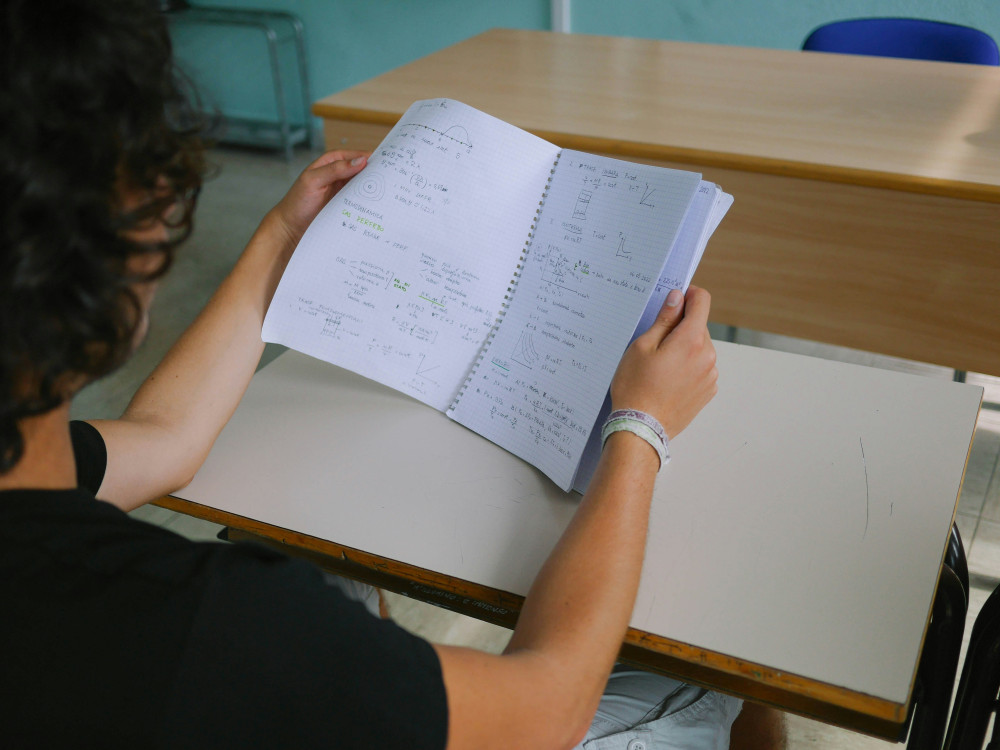
For decades, the typical American school day has been dominated by long hours of sitting still, with students spending most of their time at their desks. But research and experience increasingly show that movement during the school day not only supports children’s physical health – it also enhances learning, focus, and emotional well-being. Across the United States, more schools are beginning to embrace the idea that an active school day can lead to better outcomes for both students and teachers.
Why Movement Matters
Children are naturally active. When they move, blood flow to the brain increases, improving memory, attention, and problem-solving skills. Physical activity also releases endorphins, which boost mood and motivation. In other words, movement helps students feel better and learn better.
Studies from organizations such as the Centers for Disease Control and Prevention (CDC) and the American Heart Association have found that short bursts of physical activity during the school day can significantly improve concentration and classroom behavior. These activities don’t have to be intense workouts – even a few minutes of stretching, dancing, or walking can make a difference.
Integrating Movement into Learning
Movement can be woven into almost any subject. Many teachers are finding creative ways to make lessons more active and engaging. Here are a few examples:
- Math on the Move – students solve problems posted around the classroom or playground, running or walking between stations.
- Spelling in Action – children form letters with their bodies or jump to spell words.
- History in Motion – students act out historical events or timelines to better understand key moments.
- Science Walks – classes explore the schoolyard to observe plants, insects, or weather patterns.
When movement becomes part of the learning process, lessons become more memorable. Students connect physical experience with knowledge, which helps them retain information longer.
Energizing Breaks
In addition to active lessons, short movement breaks throughout the day can help students recharge. These “brain breaks” might include a few minutes of stretching, a quick dance routine, or a walk around the school. Teachers often notice that after these breaks, students return to their work more focused and calm.
Some schools have introduced programs like “GoNoodle” or “Active Classrooms,” which provide quick, guided activities that fit easily into the school schedule. These small changes can have a big impact on classroom energy and student engagement.
Building Community Through Movement
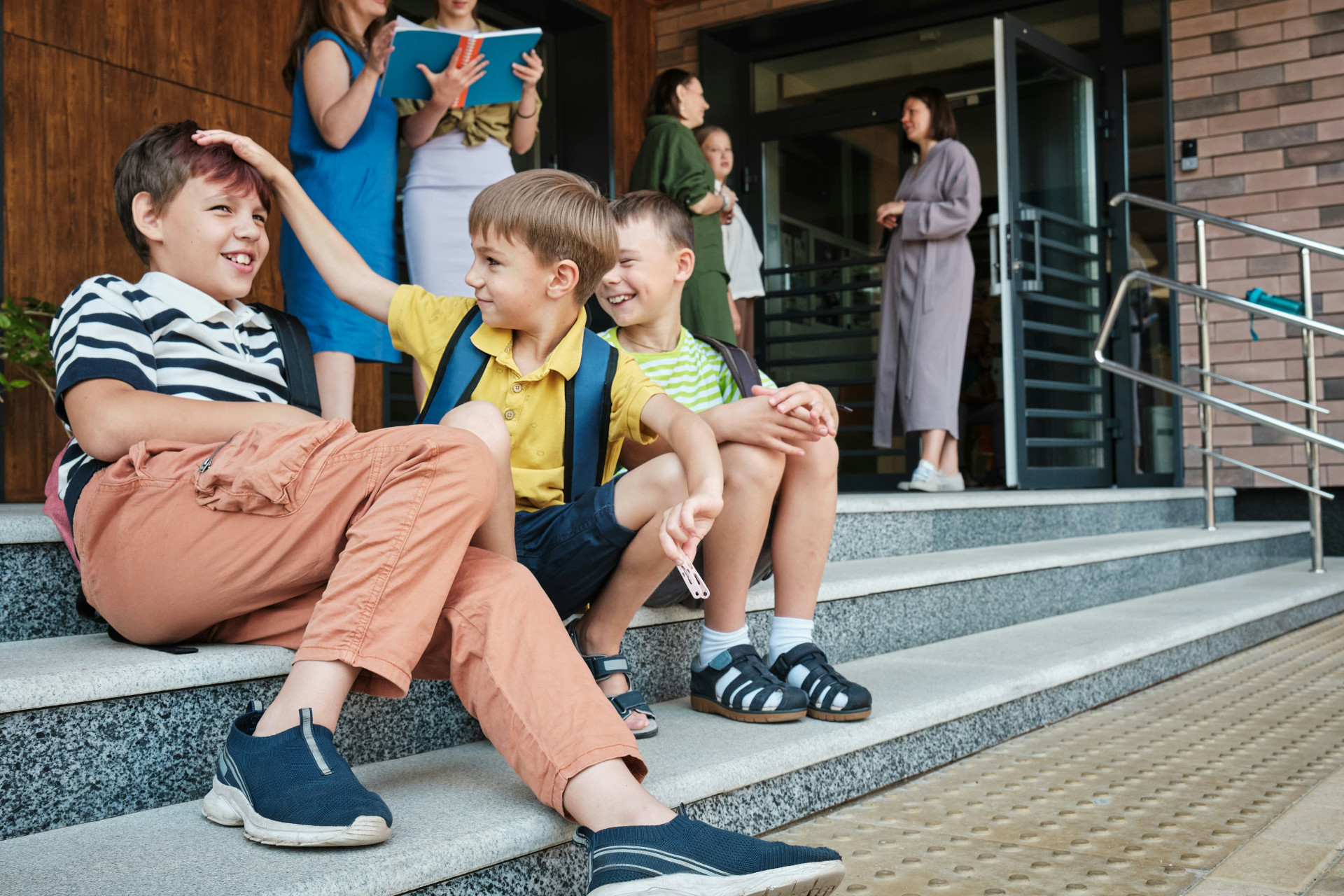
Movement also strengthens social connections. When students move together – whether through games, team challenges, or outdoor activities – they learn cooperation, empathy, and respect. Shared physical experiences can reduce tension, prevent bullying, and create a more positive classroom culture.
For students who struggle to sit still or focus for long periods, movement offers a constructive outlet for their energy. It allows them to participate and succeed in ways that traditional classroom settings might not always allow.
Læs også:


How Schools Can Get Started
Creating a more active school day doesn’t require major funding or new facilities. It’s mostly about creativity and commitment. Here are some simple steps schools can take:
- Start small – add short movement breaks between lessons.
- Share ideas – teachers can exchange tips and activities that work in their classrooms.
- Use available spaces – playgrounds, hallways, and nearby parks can become learning environments.
- Involve students – let them suggest movement activities they enjoy.
- Collaborate across subjects – physical education teachers can help colleagues integrate movement into academic lessons.
When movement becomes a natural part of the school day, both students and teachers benefit from renewed energy and enthusiasm.
An Investment in the Future
Encouraging movement in schools is more than a health initiative – it’s an investment in children’s learning, happiness, and development. An active school day helps students stay alert, engaged, and connected.
When the body moves, the mind follows. And perhaps the future of education lies right there – in the balance between learning, movement, and joy.
Læs også: