Create Calm Around Mealtime – How to Help Your Child Develop a Healthy Relationship with Food

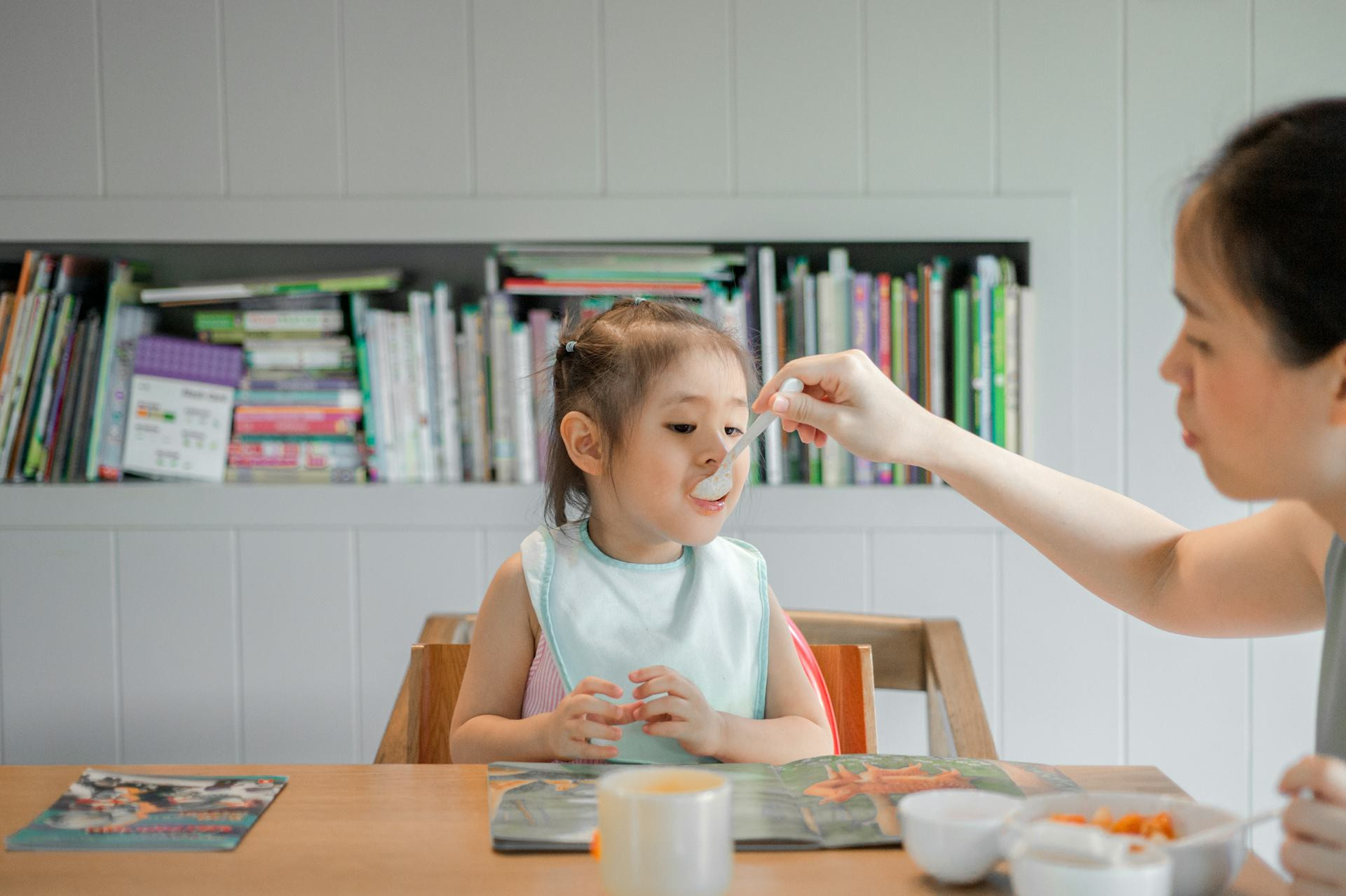
Create Calm Around Mealtime – How to Help Your Child Develop a Healthy Relationship with Food
Family meals are about more than just eating — they’re a time to connect, share stories, and slow down together. But for many parents, mealtime can also bring stress, especially if a child refuses vegetables, eats only a few bites, or insists on the same foods every day. Creating calm around mealtime isn’t about getting your child to eat more; it’s about helping them feel safe and confident with food. Here’s how you can support your child — and make mealtimes more enjoyable for everyone.
Set a Peaceful Tone
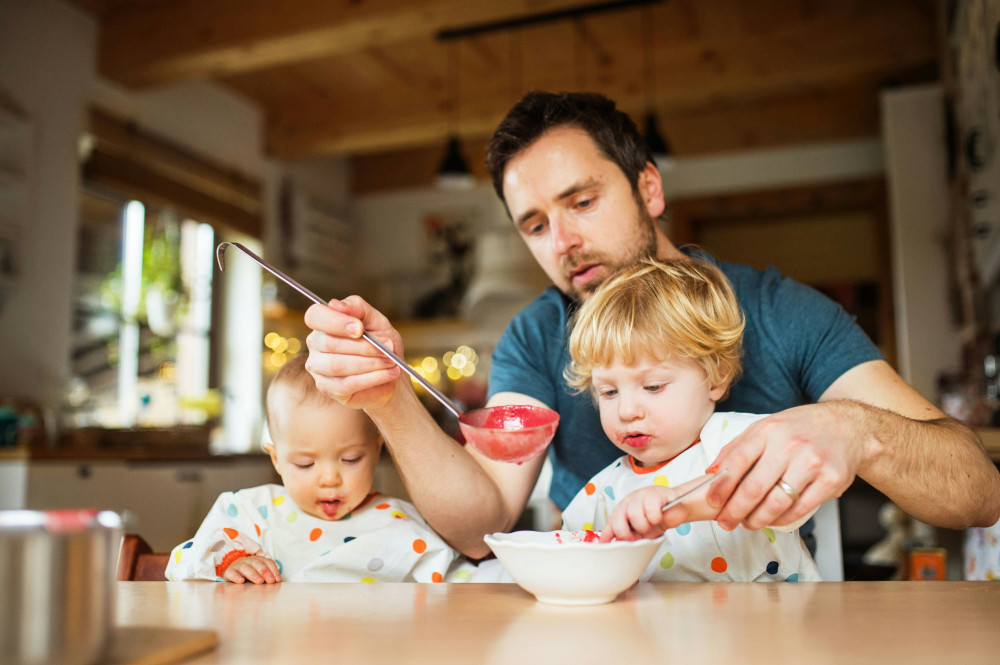
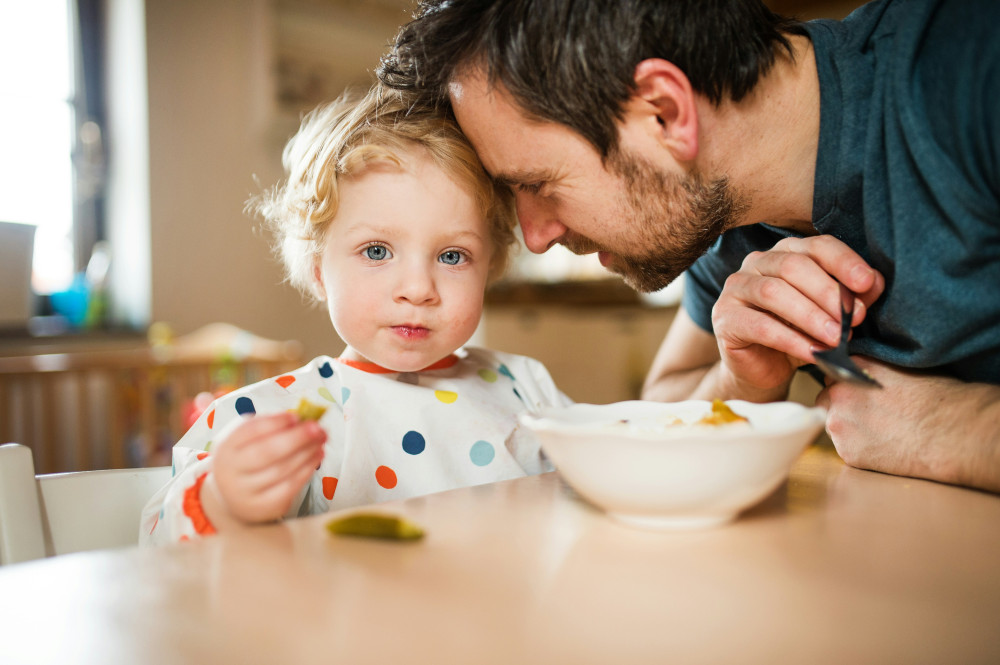
Children are quick to pick up on the mood at the table. If meals are filled with tension, negotiations, or pressure, kids may become more resistant to eating. Try to focus on connection rather than consumption.
- Turn off the TV and put away phones so everyone can be present.
- Keep mealtimes consistent — predictability helps children feel secure.
- Avoid commenting on how much or how little your child eats.
- Talk about your day, not about the food.
When your child experiences mealtime as a calm, pleasant space, they’re more likely to explore new foods at their own pace.
Involve Your Child
Kids are often more interested in food when they feel included. This doesn’t mean they should choose the menu every night, but giving them small responsibilities can make a big difference.
Invite your child to help with simple tasks: rinsing vegetables, setting the table, or choosing between two side dishes. When they’ve had a hand in preparing the meal, curiosity grows — and so does the willingness to taste.
You can also let your child serve themselves from shared dishes. This gives them a sense of control and helps them tune in to their hunger and fullness cues.
Læs også:

Avoid Pressure and Rewards
It’s tempting to say “just one more bite” or promise dessert if your child finishes their plate. But pressure and rewards can backfire, teaching kids to eat for approval rather than hunger.
Instead, show trust that your child knows their own appetite. Offer a variety of foods, and let them decide how much to eat. Over time, most children learn to regulate their intake naturally when they’re allowed to listen to their bodies.
Make Food an Experience, Not a Battle
Food is about more than nutrition — it’s color, smell, texture, and togetherness. Try to make mealtime an experience your child can enjoy and explore.
- Talk about how the food looks, smells, and feels — without labeling it as “good” or “bad.”
- Serve new foods alongside familiar favorites.
- Encourage tasting, but don’t insist on finishing.
- Use humor and curiosity instead of pressure.
When food becomes something to discover rather than something to fight over, children are more open to trying new things.
Be a Calm Role Model
Children learn most from what they see. If you eat a variety of foods and show enjoyment, your child will notice. Speak positively about food, and avoid expressing guilt or judgment about what you eat.
That also means letting go of the idea of the “perfect meal.” Some days your child will eat very little; other days, they’ll surprise you. That’s normal. What matters most is that mealtime feels safe and pleasant.
When Worry Takes Over
If your child consistently refuses entire food groups, loses weight, or seems anxious around food, it may help to talk with your pediatrician or a registered dietitian. They can help determine whether additional support is needed.
For most children, picky eating is a normal part of development. With patience, reassurance, and repeated positive experiences at the table, they usually find their own way toward a healthy relationship with food.
More Than Just a Meal
When you create calm around mealtime, you’re giving your child more than nourishment — you’re giving them a sense of connection, security, and respect for their own needs. That foundation can help them build a balanced, joyful relationship with food that lasts a lifetime.
Læs også: